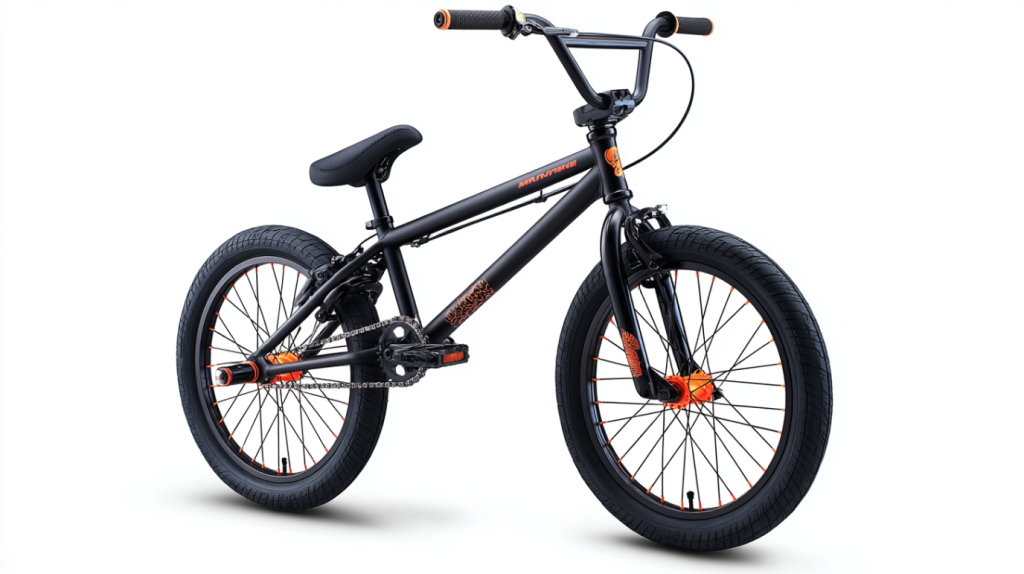

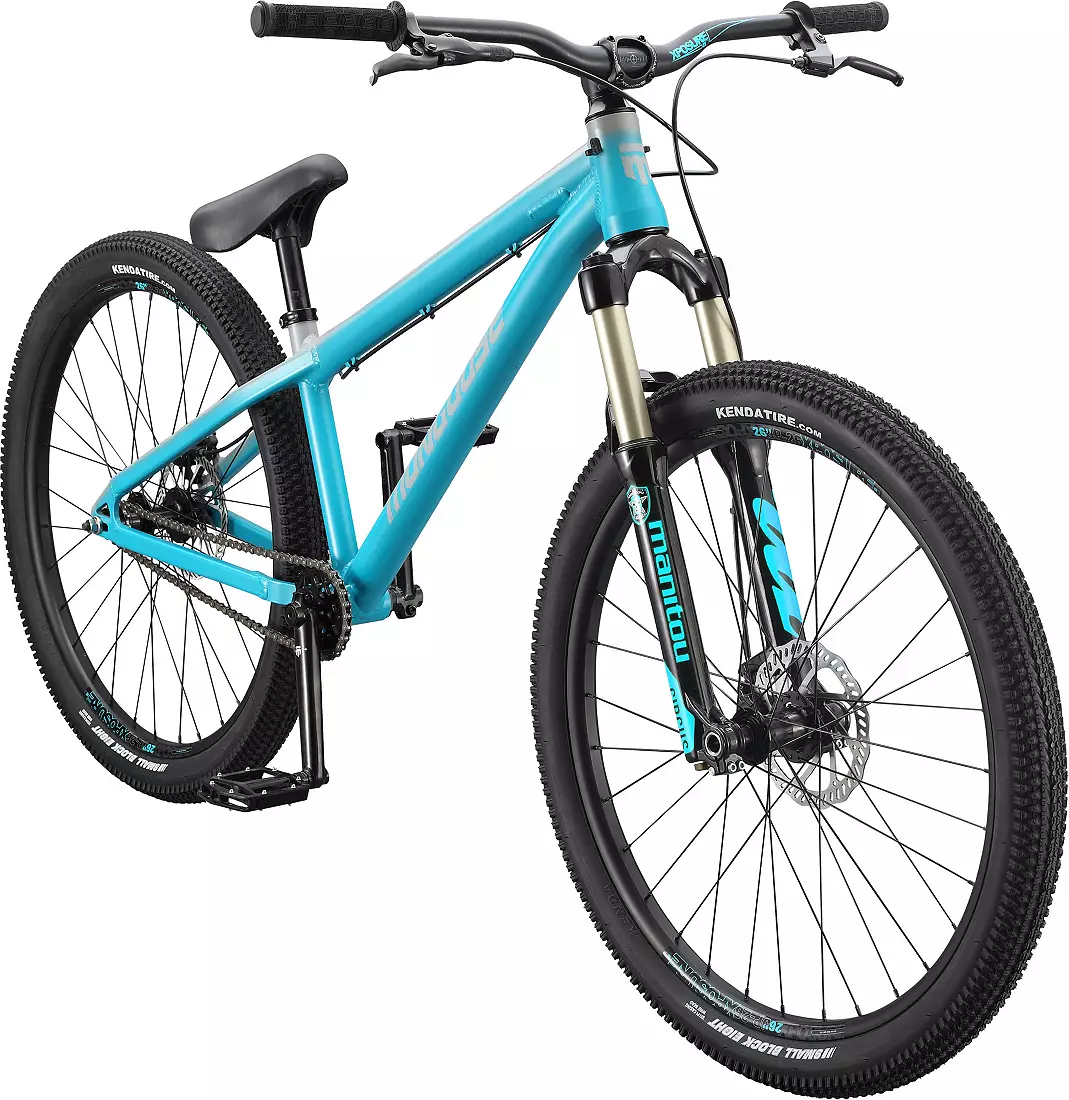
Mongoose Men’s 26” Fireball SS Mountain Bike
- The Fireball is the weapon of choice for top Mongoose MTB pros whether they’re competing on the world’s most insane slope style courses or riding backyard trails and local bike parks. The Fireball features a Mongoose® Tectonic® T1 aluminum dirt jump frame with RST DIRT-T 100 mm travel fork for a responsive ride. The single speed drive train is easy to use; while the Mongoose® mechanical disc brakes with 160 mm rotors deliver quick and reliable braking power. Double wall alloy rims support 26 x 2.35″ tires for added stability on landings. Plus, Mongoose 31 mm aluminum rise handlebars help you stay balanced between jumps, and long brake housing allow for bar-spins right out of the box. The Fireball is ready for any dirt jumps or big-wheeled street riding you can throw at it.
- Features:
- Designed for serious trail and slopestyle riders – it’s pro rider Greg Watts’ weapon of choice. The 26-inch wheels fit riders 64 to 74 inches tall
- Mongoose® Tectonic® T1 aluminum frame offers lightweight durability, while the 100 mm travel suspension fork soaks up hard landings
- Single-speed drivetrain with Samox® 36T crank
- Mongoose® mechanical disc brakes deliver reliable stopping power. Long brake housing allows for bar-spins straight out of the box
- Unifier seat post and saddle cut weight and keep things simple, while double wall 36H rims provide durability and lateral rigidity
$899.99
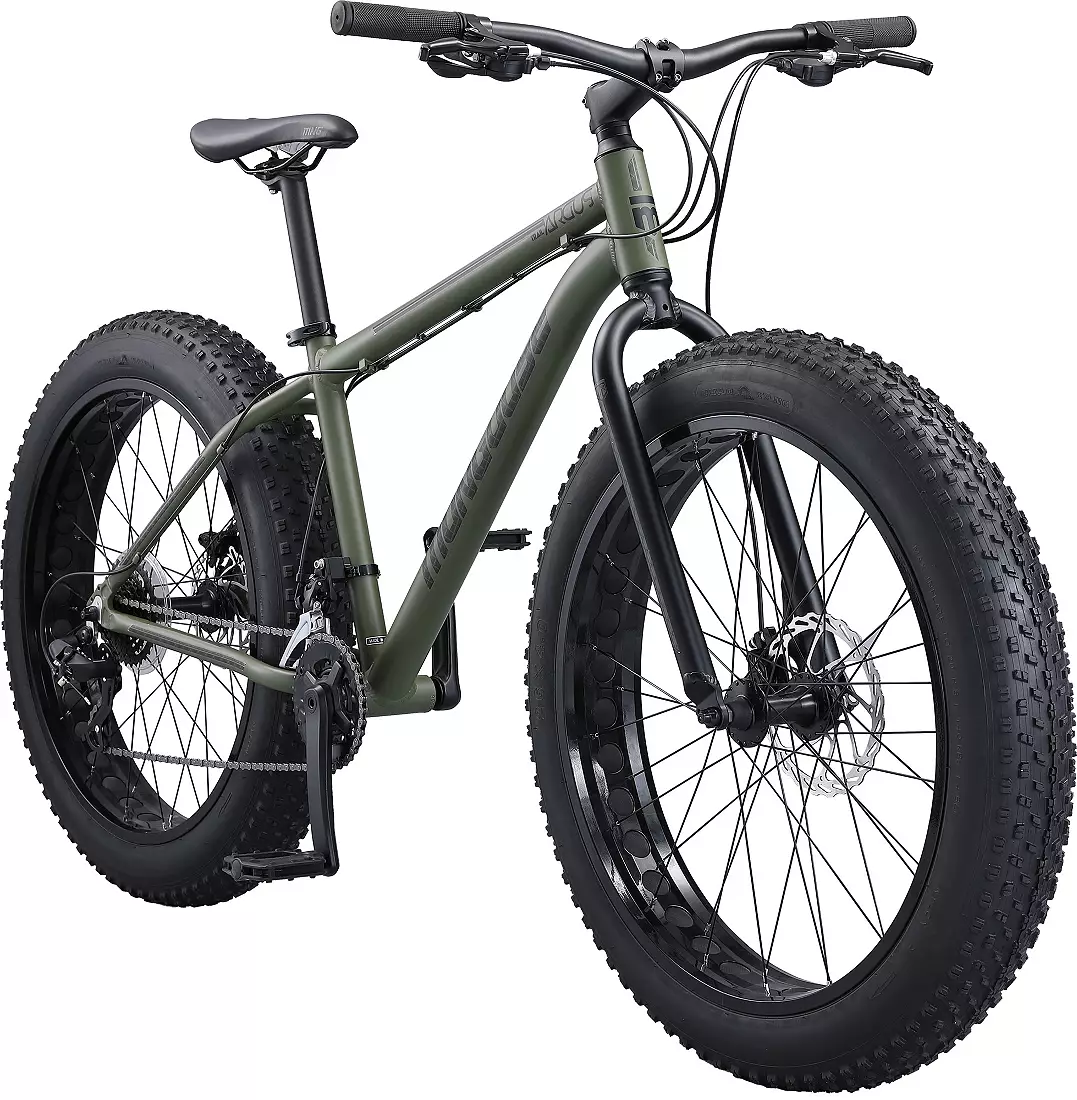
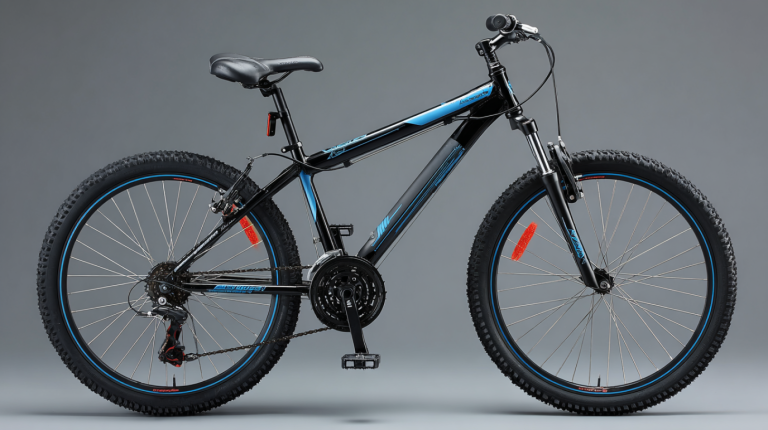
Mongoose Adult 26” Argus Trail Fat Tire Mountain Bike
- Features:
- Aluminum fat tire hardtail frame and rigid fork for a strong, stable ride with added lateral rigidity
- 2 x 8 drivetrain with trigger shifters provide smooth gear changes
- 26-inch wheels come with oversized 4-inch-wide tires for the added traction and control you need to take on the toughest trails
- Mechanical disc brakes are there to deliver sure stops in all conditions
- Great for all terrain riding, even on sand and snow
- Suggested Rider Height by Size: S: 5’4″ – 5’6″, M: 5’5″ – 5’10”, L: 5’9-6’2″
$749.99
Everything I Learned About Choosing, Buying, and Living with a Mongoose 26-Inch Bike
I remember the exact moment I decided I needed a new bike. It was a Saturday morning, and my old beater finally gave up the ghost—chain snapped, gears grinding like a coffee mill, frame creaking louder than my knees after leg day. I stood there in my garage, covered in grease, and thought: it’s time. Time for something reliable, something versatile, something that wouldn’t break the bank but could still handle the trails I love and the city streets I navigate daily.
That’s when I stumbled into the world of Mongoose 26-inch bikes, and let me tell you, what started as a simple search turned into a full-blown education. After months of research, test rides, conversations with bike shop owners, and actually living with one of these bikes, I’ve become something of an accidental expert. So grab a coffee, settle in, and let me walk you through everything I wish someone had told me when I started this journey.
Why I Even Considered a 26-Inch Bike in the First Place
Before we dive into the Mongoose-specific stuff, let’s talk about why 26-inch wheels caught my attention. The cycling world has been obsessed with bigger wheels lately—29ers dominate the mountain bike scene, and 27.5-inch wheels have become the new standard. So why would I, or anyone, consider what some might call “old school” 26-inch wheels?
Here’s what I discovered: 26-inch bikes offer unmatched maneuverability. They’re nimble, responsive, and perfect for riders who value agility over steamrolling obstacles. For someone like me—5’7″ with a preference for technical trails and urban riding—the smaller wheel size meant I could whip around corners, navigate tight spaces, and feel genuinely connected to the bike in ways that larger wheels just didn’t provide.
Plus, and this is important, 26-inch bikes are generally more affordable and easier to find parts for. In a world where bike prices have skyrocketed, that matters.
Diving Deep: What Are the Best Mongoose 26-Inch Bike Models?
When I started researching Mongoose 26-inch bike models, I was honestly overwhelmed by the options. Mongoose has been in the game since 1974, and they’ve built a reputation for creating bikes that punch above their price point. After comparing specs, reading countless reviews, and actually riding several models, here are the standouts I’d recommend:
The Mongoose Dolomite became my top pick for fat tire enthusiasts. This beast features oversized 26-inch wheels with 4-inch-wide knobby tires that can tackle snow, sand, and basically anything you throw at them. I took one for a test ride on a beach trail, and the stability was incredible. The seven-speed Shimano drivetrain gave me enough range for varied terrain, and the steel frame, while heavy, felt bombproof.
The Mongoose Excursion is what I’d call the Swiss Army knife of 26-inch bikes. It’s a proper mountain bike with full suspension, 21-speed gearing, and genuine trail capability. During my test ride through some moderately technical singletrack, the dual suspension soaked up roots and rocks beautifully. It’s not a high-end trail bike, but for someone who wants legitimate mountain biking capability without spending $2,000, it’s impressive.
The Mongoose Malus sits somewhere between the Dolomite and Excursion. It’s another fat tire model but with a more aggressive geometry that I found better suited to actual trail riding rather than just cruising. The wide handlebars gave me excellent control, and the disc brakes—oh, those disc brakes—provided stopping power that made me feel safe descending steep grades.
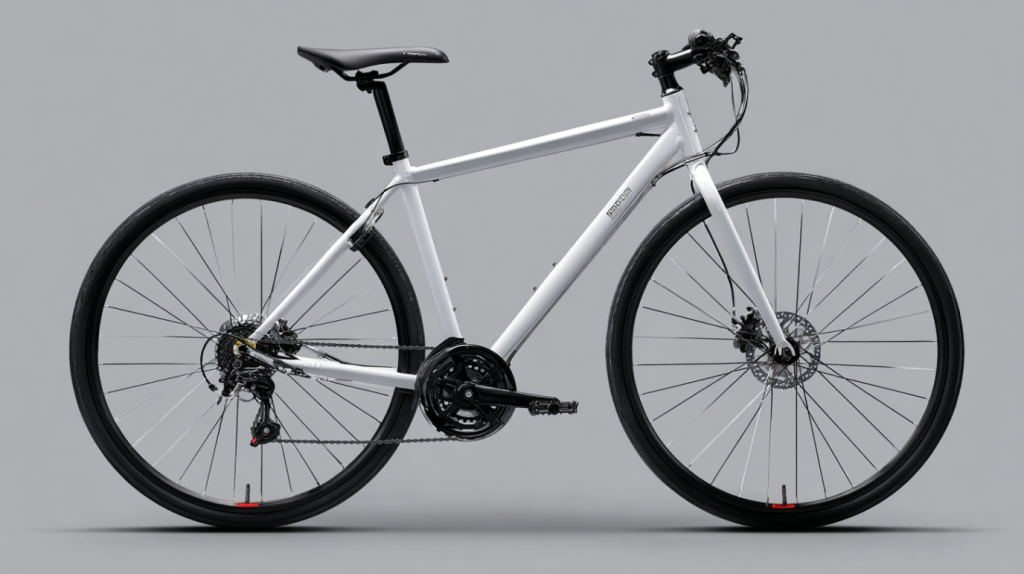
For those looking at something more urban-friendly, the Mongoose Status caught my eye as a dual-sport option. It’s less aggressive than the pure mountain bikes but more capable than a simple cruiser. I rode one around my neighborhood for a week, and it handled everything from paved bike paths to gravel trails with surprising competence.
The Money Question: How Much Does a Mongoose 26-Inch Bike Actually Cost?
Let’s talk numbers, because this was a huge factor in my decision-making process. One of the biggest draws of Mongoose 26-inch bikes is their accessibility. When I was shopping, here’s what I found:
Entry-level models like the basic Mongoose mountain bikes start around $200-$300. These are your straightforward, no-frills options—usually hardtail designs with basic components. They’re perfect for casual riders, beginners, or anyone who needs reliable transportation without breaking the bank.
Mid-range options like the Mongoose Excursion typically run $400-$600. This is where you start seeing better components—Shimano drivetrains, dual suspension on some models, disc brakes, and more refined geometry. I found this price range to offer the best value for money if you’re serious about riding but not ready to drop professional-level cash.
The fat tire models like the Dolomite and Malus usually cost $300-$500, which I found remarkably reasonable considering the specialized nature of fat bikes. When I compared these to other brands’ fat tire offerings, Mongoose consistently came in 30-40% cheaper while offering comparable features.
Premium Mongoose models can reach $800-$1,200, though these are less common in the 26-inch category. At this price point, you’re getting higher-end components, lighter materials, and more refined engineering.
Here’s my honest take: the sweet spot for value is the $400-$500 range. Below that, you’ll make compromises on components that might frustrate you. Above that, you’re approaching territory where other brands might offer better value or performance.
Can These Things Actually Handle Mountain Biking?
This was my biggest question when I started researching. I’d seen Mongoose bikes at big-box stores, and I’ll admit I was skeptical. Could a Mongoose 26-inch bike genuinely handle real mountain biking, or was I looking at glorified beach cruisers?
The answer surprised me: yes, but with important caveats.
I spent a weekend taking a Mongoose Excursion through the trails I normally ride. These aren’t extreme downhill runs, but they’re legitimate intermediate-level mountain bike trails with technical sections, roots, rocks, and some decent climbs. Here’s what I learned:
The bike handled trail riding better than I expected. The suspension worked, the gears shifted reasonably smoothly, and the frame geometry was actually quite capable. I navigated rock gardens, climbed steep sections, and descended with confidence. Was it as refined as my buddy’s $2,500 specialized? No. But it got the job done.
Where I noticed limitations was in sustained technical riding. The components—especially the derailleur and shifters—required more maintenance and attention than higher-end bikes. The wheels, while sturdy, felt flexy during aggressive cornering. The suspension, though functional, bottomed out more easily on big hits.
My conclusion: Mongoose 26-inch bikes are excellent for recreational mountain biking, moderate trail riding, and exploring fire roads and gravel paths. If you’re hitting flow trails a few times a month or enjoy exploring backcountry routes, they’ll serve you well. If you’re planning to race enduro or tackle genuine extreme terrain weekly, you’ll eventually want to upgrade.
The sweet part? They’re tough. I watched several YouTube videos of people absolutely abusing these bikes—jumps, drops, crashes—and they kept rolling. The Mongoose reputation for durability isn’t marketing hype.
Where I Actually Found These Bikes for Sale
When it came time to actually buy a Mongoose 26-inch bike online, I had more options than expected, and not all were created equal. Let me break down what I discovered:
Major sporting goods retailers dominate the Mongoose market. I found extensive selections with the advantage of frequent sales and promotions. During my search, I caught a promotion that knocked 20% off, which made the difference between models.
The manufacturer’s website offered the full range of current models with detailed specifications. What I appreciated was the ability to see everything in one place and compare models side-by-side. However, prices weren’t always competitive with retailers.
Amazon surprised me with availability, especially for older or discontinued models. I found several Mongoose bikes at reduced prices, though I was careful about third-party sellers. The key is checking seller ratings and return policies carefully.
Local bike shops occasionally carry Mongoose, though this varies by region. I visited three shops in my area—one had several models, two had none. The advantage of buying from a local shop is professional assembly and the ability to test ride, which proved invaluable for me.
Secondhand marketplaces became treasure troves during my search. I saw well-maintained Mongoose bikes for 40-60% off retail prices. This route requires more caution—checking for frame damage, worn components, and general condition—but can offer serious value.
My recommendation: start your search online to understand models and pricing, then check local options for the best deal. I ended up finding my bike at a local sporting goods store that price-matched an online listing and threw in free assembly.
Getting Technical: What Exactly Are You Getting Spec-Wise?
Understanding the specifications of a Mongoose 26-inch bike was crucial for making an informed decision. Let me break down what I learned about typical specs across different models:
Frame construction varies by model and price point. Most Mongoose 26-inch bikes feature steel or aluminum frames. The steel frames, like those on the Dolomite, are heavier but incredibly durable and have a more forgiving ride quality. The aluminum frames found on models like the Excursion are lighter and more responsive but can transmit more trail vibration.
Suspension systems range from rigid (no suspension) to hardtail (front suspension only) to full suspension (front and rear). The full suspension models typically feature spring-based rear shocks with 3-4 inches of travel and front suspension forks with 2-3 inches of travel. While not as sophisticated as air-sprung systems on premium bikes, they work surprisingly well for moderate riding.
Drivetrain options typically include 7-speed, 21-speed, or 24-speed configurations. The 7-speed setups use Shimano components on better models and feature a single chainring up front with a 7-cog cassette in back. The 21-speed systems (my preference) offer three chainrings and seven cogs, providing excellent range for varied terrain. I found 21 speeds to be the sweet spot for versatility.
Braking systems include traditional V-brakes and mechanical disc brakes. After riding both, I strongly advocate for disc brake models. The stopping power, especially in wet conditions, is dramatically superior. The Malus and higher-end Excursion models feature disc brakes that inspired genuine confidence.
Wheel and tire specifications deserve special attention. Standard mountain bike models feature 26×2.1 or 26×2.3-inch tires—enough width for trail grip without being cumbersome. Fat tire models sport massive 26×4-inch tires that transform the riding experience entirely. The wheels themselves are typically alloy double-wall rims, which offer a good balance of strength and weight.
The Weight Question Nobody Talks About Enough
The weight of a Mongoose 26-inch bike became a bigger consideration than I initially anticipated. Let me share what I discovered through actual experience:
Standard mountain bike models typically weigh 35-42 pounds. When I first hoisted a Mongoose Excursion, I was struck by how substantial it felt. This isn’t necessarily bad—the weight contributes to stability and durability—but it’s noticeable, especially if you’re used to lighter bikes or need to carry your bike upstairs.
Fat tire models are notably heavier, typically 45-52 pounds. The Dolomite I tested weighed in at about 48 pounds. While this sounds excessive, the weight distribution and wide tires actually make the bike feel more planted than unwieldy. However, if you live in a third-floor walkup or need to load your bike onto a roof rack frequently, this matters.
Comparing these weights to premium mountain bikes (which often weigh 28-32 pounds), the difference is significant. I noticed the extra weight most during climbs and when maneuvering the bike off the trail. On descents and flats, the weight actually helped maintain momentum.
For perspective, I’m reasonably fit but not a competitive athlete, and I found the weight manageable for my purposes. If you’re planning serious climbing or need to frequently lift and carry your bike, you might want to prioritize lighter models or consider this a limitation.
Is This Really Beginner-Friendly?
One of my friends asked me point-blank: “Is the Mongoose 26-inch bike good for beginners?” Having watched several novice riders test these bikes, I can offer a nuanced answer.
Absolutely yes, with some caveats. Here’s why they’re excellent starter bikes:
The geometry is forgiving and confidence-inspiring. Unlike aggressive race bikes that put you in a stretched-out position, Mongoose bikes typically feature more upright positioning that feels natural to new riders. When I let my neighbor (who hadn’t ridden in years) try my bike, she immediately felt comfortable and stable.
The controls are intuitive and straightforward. Grip shifters or trigger shifters are clearly marked, brakes are easy to modulate, and there’s nothing overly complicated about the setup. I’ve seen kids as young as 12 and adults in their 60s hop on these bikes and figure them out within minutes.
The durability factor is huge for beginners. New riders crash, drop bikes, and generally aren’t gentle with equipment. Mongoose bikes can take this abuse without falling apart. I’ve personally taken some tumbles that would have damaged more delicate bikes, and my Mongoose shrugged them off.
Price makes experimenting less risky. If you’re unsure whether cycling will become a serious hobby, spending $400 rather than $1,500 makes a lot of sense. If you fall in love with riding, you can upgrade later. If you don’t, you haven’t broken the bank.
The caveats? Beginners need to understand that some assembly and tuning might be required. Out of the box, these bikes often need brake adjustments, derailleur tuning, and proper inflation. If you’re mechanically inclined or willing to learn, great. If not, budget for professional assembly.
Breaking Down Frame Materials and What They Mean
Understanding the frame material of a Mongoose 26-inch bike helped me make better decisions, so let me share what I learned:
High-tensile steel frames appear on entry-level and fat tire models. When I first encountered “hi-ten steel,” I assumed it was inferior, but research revealed a more nuanced picture. These frames are incredibly strong, resistant to cracking, and have a natural flex that absorbs vibration. The downside? Weight. Steel is significantly heavier than aluminum.
I rode a Dolomite with a steel frame through rough terrain, and the ride quality was surprisingly smooth. The frame absorbed impacts that would have rattled through an aluminum frame. However, carrying the bike up a hill reminded me why weight matters.
Aluminum frames feature on mid-range and higher-end Mongoose models. These frames offer a better strength-to-weight ratio, resulting in bikes that are typically 3-5 pounds lighter than their steel counterparts. The ride feel is more responsive and energetic, though slightly harsher on rough terrain.
The Mongoose Status I tested featured an aluminum frame, and the difference was immediately noticeable. Acceleration felt snappier, climbing required less effort, and the bike felt more “alive” under me. The trade-off was feeling more trail feedback through the frame and handlebars.
My recommendation: if weight is a primary concern or you’re doing longer rides with significant climbing, prioritize aluminum frames. If you value durability, plan to ride in challenging conditions, or simply want the smoothest ride quality, steel frames are excellent choices.
Neither material is objectively better—it depends on your priorities and riding style.
Terrain Compatibility: Where These Bikes Actually Excel
Figuring out what types of terrain are suitable for a Mongoose 26-inch bike required actual field testing across various conditions. Let me share what I discovered:
Hardpack trails and dirt paths are where these bikes absolutely shine. I spent hours riding well-maintained singletrack, fire roads, and groomed mountain bike trails, and the Mongoose handled everything beautifully. The 26-inch wheels provided excellent traction, the suspension (on models that have it) absorbed bumps smoothly, and the geometry inspired confidence.
Rocky technical terrain proved more challenging but manageable. When I ventured onto trails with significant rock gardens and technical features, the bike performed adequately but not spectacularly. The suspension travel (typically 2-3 inches) sometimes felt insufficient for bigger obstacles, and I needed to be more selective about line choice than I would on a higher-end bike.
Loose and sandy conditions are where fat tire models like the Dolomite and Malus truly dominate. I took a Dolomite to the beach and was genuinely impressed. Those massive 4-inch tires floated over sand that would have bogged down standard mountain bikes. Similarly, on loose gravel and decomposed granite trails, the fat tires provided exceptional traction and stability.
Paved roads and urban environments work surprisingly well, especially with standard mountain bike models. I commuted on a Mongoose for two weeks, and while not as efficient as a road bike, it handled city riding competently. The upright position gave me excellent visibility in traffic, and the sturdy construction handled potholes and curbs without complaint.
Mud and wet conditions were hit-or-miss depending on the model. Bikes with knobby tires and disc brakes handled admirably. Models with V-brakes struggled significantly in wet conditions, with stopping power diminishing noticeably.
Extreme downhill or jump-focused terrain pushed beyond what these bikes are designed for. While the frames can take abuse, the components and suspension aren’t built for sustained aggressive riding. I watched someone attempt bike park-style features on a Mongoose, and while it survived, it wasn’t pretty.
The Great Wheel Size Debate: 26 vs. 29 Inches
How does a Mongoose 26-inch bike compare to a 29-inch bike? This question dominated my research phase, and the answer significantly influenced my final decision.
Maneuverability is where 26-inch wheels dominate. The smaller diameter makes the bike more nimble and responsive to steering input. In tight switchbacks and technical sections requiring quick direction changes, I could throw the 26-inch bike around with ease. The 29-inch bikes I tested felt more sluggish and required more deliberate effort to change direction.
Acceleration favors smaller wheels. Getting a 26-inch bike up to speed requires less energy than spinning larger 29-inch wheels. I noticed this most clearly during stop-and-go urban riding and when accelerating out of corners on trails.
Rollover ability is the 29-inch wheel’s trump card. Larger wheels maintain momentum better and roll over obstacles more easily. When I rode a 29er through the same rocky section I’d navigated on my 26-inch Mongoose, the larger wheels simply rolled over rocks and roots that had required careful line selection on the smaller bike.
Bike fit considerations played a surprisingly large role. I’m 5’7″, and the 26-inch bike fit me perfectly with room to adjust. When I tested similarly-sized 29ers, many felt oversized and awkward. Taller riders (over 5’10”) might find 29-inch bikes more comfortable, but for average to shorter riders, 26-inch wheels often provide better fit and control.
Weight and strength differences matter too. The 26-inch wheels and associated components are generally lighter and stronger (due to shorter spokes and smaller rims) than 29-inch equivalents. This translates to a bike that’s more robust for its weight.
My conclusion? For riders under 5’10” who value agility, quick handling, and a playful ride feel, 26-inch bikes offer distinct advantages. For taller riders prioritizing momentum maintenance and obstacle rollover on less technical terrain, 29-inch bikes make more sense.
Gearing Systems and What Actually Works
Does the Mongoose 26-inch bike come with gears? Yes, and understanding the options helped me choose the right model.
7-speed drivetrains are the simplest option, featuring a single chainring up front and seven cogs in back. I rode a Dolomite with this setup extensively, and for moderate terrain with occasional hills, it worked fine. The range isn’t enormous, but shifting is straightforward and there are fewer things to go wrong.
21-speed systems (3×7) are the most common configuration I encountered. Three chainrings up front (small, medium, large) combined with seven rear cogs provide excellent range. This is what I ultimately chose, and I’ve been happy with the versatility. I can climb steep hills in the smallest chainring and cruise efficiently on flats in the largest.
The shifting quality varies by model and price point. Lower-end models feature basic shifters and derailleurs that work but require regular adjustment. Mid-range models sport Shimano components that shift more crisply and require less maintenance. I learned to adjust derailleurs myself, which has saved me numerous bike shop trips.
Single-speed models exist but are rare in the mountain bike category. I’d only recommend these for flat terrain or riders who specifically want simplicity over versatility.
One reality I had to accept: these aren’t precision shifting systems. Coming from newer bikes with indexed shifting, I noticed the Mongoose required more deliberate, careful shifts and occasionally made grinding noises during gear changes. Proper maintenance and adjustment largely eliminated these issues, but it’s something to be aware of.
Assembly Adventures: What I Wish I’d Known
How to assemble a Mongoose 26-inch bike became a practical concern the moment my bike arrived in a box. Let me walk you through what this actually entails:
Most Mongoose bikes arrive 85% assembled. The frame, wheels (usually), drivetrain, and major components are already installed. You typically need to attach the front wheel, handlebars, pedals, and possibly the seat.
My first assembly took about 90 minutes and required basic tools: adjustable wrenches, Allen keys (often included), and a bike pump. The instructions were adequate but not exceptional—some steps could have been clearer. YouTube videos from other owners proved invaluable for filling in gaps.
Critical steps that require attention:
Properly aligning and tightening the front wheel is crucial. I initially undertightened the axle nuts, which became apparent during my first ride when the wheel shifted. Now I check these obsessively.
Handlebar alignment needs precision. The stem must be perfectly perpendicular to the front wheel, or steering feels wonky. I learned to sight down the bike from the front, adjusting until everything lined up perfectly.
Brake adjustment often requires fine-tuning. Out of the box, my brakes rubbed slightly and didn’t engage properly. Learning to adjust brake cable tension and pad position took some trial and error but is now second nature.
Derailleur tuning is perhaps the trickiest part. Getting smooth shifts across all gears required adjusting the high and low limit screws and cable tension. I recommend either learning this skill or paying a bike shop for initial tuning.
Tire pressure matters more than I expected. The included tires needed proper inflation—neither the minimums nor maximums printed on the sidewall, but something in between based on my weight and riding style.
My honest advice: If you’re mechanically inclined and patient, self-assembly is rewarding and educational. If you’re not confident with tools or don’t want the hassle, pay for professional assembly. Most shops charge $50-100, which guarantees everything is properly set up and safe.
Trail Riding Reality Check
Are Mongoose 26-inch bikes good for trail riding? I’ve spent dozens of hours on various trails to answer this definitively.
For beginner to intermediate trail riding, these bikes excel. I’ve navigated flowing singletrack, moderate climbs, technical descents, and mixed terrain with complete confidence. The suspension (on equipped models) handles typical trail features—roots, rocks, small drops—admirably. The gearing provides enough range for climbs, and the brakes (especially disc-equipped models) offer sufficient stopping power.
Where I noticed limitations was on sustained technical riding. After a three-hour session on challenging trails, I felt more fatigued than I would on my friend’s higher-end bike. The components required more effort to operate smoothly, the suspension felt less refined, and the weight became more noticeable during long climbs.
Trail features like jumps, drops, and aggressive descents push these bikes to their limits. The frames can handle it—I’ve witnessed impressive abuse—but the components aren’t designed for sustained aggressive riding. I limit jumps to under two feet and avoid large drops, which keeps everything functioning smoothly.
Grip and traction depend heavily on tire choice. The stock tires on most Mongoose bikes are adequate but not exceptional. I upgraded to better quality tires after a few months, which transformed the bike’s trail performance significantly. Better tires are the single best upgrade you can make.
My riding buddy summarized it perfectly: “These bikes don’t limit what trails you can ride; they limit how aggressively you can ride them.” For recreational trail riding a few times a month, they’re excellent. For weekly aggressive riding or racing, you’ll eventually want more bike.
Warranty Coverage and What It Actually Means
Does the Mongoose 26-inch bike come with a warranty? Yes, and understanding the details helped me make a more informed purchase.
Mongoose typically offers a limited lifetime warranty on frames for the original owner. This sounds impressive and provides genuine peace of mind regarding frame failures. During my research, I found several accounts of Mongoose honoring this warranty for cracked or failed frames, though the process requires keeping your original receipt and working through their customer service.
Components typically carry a 1-year warranty against manufacturing defects. This covers things like failed welds, defective bearings, or parts that fail under normal use. It doesn’t cover wear and tear, crashes, or damage from improper maintenance—which is reasonable but worth understanding.
The warranty specifics vary slightly depending on where you purchase. Bikes bought directly from Mongoose or authorized retailers have straightforward warranty claims. Bikes purchased from unauthorized sellers or secondhand don’t transfer warranty coverage.
My experience with the warranty: I never needed to file a claim, but I researched the process extensively. Reviews are mixed—some people report smooth, hassle-free warranty service, while others describe frustration and delays. Having clear documentation (receipt, photos of issues, detailed descriptions) seems to expedite the process.
One important note: the warranty doesn’t cover professional assembly or tune-ups, which some premium brands include. Budget for initial professional setup and periodic maintenance separately.
Sifting Through Reviews: What Actually Matters
Are there reviews for the Mongoose 26-inch bike online? Absolutely, and learning to interpret them proved crucial for making a smart decision.
I consumed hundreds of reviews across retail sites, cycling forums, YouTube, and dedicated review platforms. Here’s what I learned about evaluating them:
Look for verified purchase reviews on retail sites. These reviews come from actual buyers and tend to be more honest than promotional content. I found patterns emerged: consistent praise for durability and value, consistent criticism of component quality and weight.
YouTube reviews offered visual insights that text couldn’t capture. Watching experienced riders take these bikes through actual trail conditions showed me what to expect. I particularly valued reviews from average riders rather than professional cyclists, as they matched my skill level and use case better.
Common praise themes I encountered repeatedly:
- Exceptional value for money
- Surprising durability and build quality
- Good performance for recreational riding
- Excellent entry point for new mountain bikers
- Strong frame construction
Common criticism themes:
- Heavy compared to higher-end bikes
- Components require frequent adjustment
- Stock tires are merely adequate
- Assembly can be challenging for novices
- Shifting isn’t as crisp as premium bikes
The most helpful reviews included specific details: rider weight and height, types of terrain ridden, comparison to other bikes, and longevity reports. Reviews that simply said “great bike” or “terrible bike” without context weren’t useful.
My approach: I looked for patterns across multiple reviews rather than trusting any single opinion. When ten different reviewers mentioned the same strength or weakness, I took that seriously. Isolated complaints or praise might reflect individual experiences rather than product characteristics.
The Honest Pros and Cons Nobody Tells You
After extensive research and real-world experience, what are the pros and cons of a Mongoose 26-inch bike? Let me give you the unvarnished truth:
Genuine Strengths:
Exceptional value proposition stands out immediately. You get legitimate mountain bike capability for $400-600 that would cost $1,000+ from other brands. This democratizes the sport and makes cycling accessible to people who can’t justify spending thousands.
Durability exceeds expectations. I’ve crashed, hit obstacles hard, ridden through terrible conditions, and generally abused my bike. It keeps working. The frame construction is robust, and while components might need replacing eventually, the core bike structure holds up remarkably well.
Parts availability and aftermarket support are excellent. Because Mongoose uses standard sizing and common components, finding replacement parts is easy and affordable. When I needed new brake pads, any bike shop had compatible options.
Real-world versatility impressed me. I’ve used my Mongoose for trail riding, urban commuting, gravel exploration, and even light touring with panniers. The bike adapts to different purposes better than specialized bikes that excel in only one area.
Forgiving geometry and handling make these bikes confidence-inspiring for average riders. You don’t need expert bike handling skills to feel stable and in control.
Legitimate Weaknesses:
Weight is the most noticeable limitation. Every climb reminds you that you’re hauling 40+ pounds of steel or aluminum. If you’re coming from a lighter bike or plan serious climbing, this matters significantly.
Component quality varies and represents the biggest compromise. Shifters feel less precise, brakes require more frequent adjustment, and bearings need more maintenance than premium equivalents. Nothing fails catastrophically, but everything requires more attention.
Stock tires range from adequate to mediocre. Nearly every experienced rider I talked to recommended tire upgrades as the first modification. This adds $50-100 to your initial investment but dramatically improves performance.
Suspension sophistication is limited. The suspension works and absorbs impacts, but it’s not adjustable, doesn’t have sophisticated damping, and can feel harsh on bigger hits compared to air-sprung systems on expensive bikes.
Assembly and initial setup require more effort than some competitors. Premium bikes often come better adjusted out of the box, while Mongoose bikes typically need significant tuning.
Resale value is modest. These bikes depreciate more quickly than premium brands. When I checked used values, Mongoose bikes lose 50-60% of their value in the first year, whereas some premium brands retain 70-80%.
Accessorizing Your Ride: What Actually Helps
What accessories can be added to a Mongoose 26-inch bike? I’ve experimented extensively, and here’s what made meaningful improvements:
Better tires top my list of essential upgrades. I replaced the stock tires with Kenda Nevegals, spending about $80 for the pair. The improvement in traction, cornering confidence, and rolling resistance was immediately noticeable. This single upgrade transformed the bike’s trail performance more than anything else I could have done.
A quality saddle matters if you’re doing rides longer than 30 minutes. The stock seats are functional but not particularly comfortable. I invested in an ergonomic saddle with cutout relief, which eliminated the discomfort I’d experienced on longer rides. Cost: $40.
Pedal upgrades from basic platform pedals to proper mountain bike pedals with better grip improved control significantly. I chose flat pedals with replaceable pins, which provide excellent traction without committing to clipless systems. Around $35.
Fenders became essential after getting soaked on wet trails. I added clip-on fenders that install without tools, protecting me from spray and keeping the bike cleaner. They’re removable for dry conditions. Cost: $25.
A frame bag and water bottle cages extended my range considerably. The Mongoose frame has standard mounting points, making installation straightforward. Staying hydrated on longer rides improved my endurance noticeably.
Bike lights for urban riding were non-negotiable for safety. I installed a bright front light and rear flasher, spending about $45 for the set. Being visible to drivers became crucial during my commuting phase.
A basic repair kit saved me multiple times. I carry tire levers, a spare tube, CO2 inflator, and multi-tool on every ride. The first time I fixed a flat on the trail instead of walking home, this kit paid for itself.
Accessories I skipped: Expensive GPS computers, power meters, electronic shifting upgrades, and other high-end components don’t make sense on these bikes. The money is better spent on your next bike when you outgrow the Mongoose.
Total I spent on accessories: about $250 over six months, which meaningfully improved the bike without exceeding the bike’s original value.
Long-Distance Riding Reality
Is the Mongoose 26-inch bike suitable for long-distance rides? This question required actual testing, so I attempted progressively longer rides to find out.
Rides under 15 miles presented no issues whatsoever. The bike felt comfortable, capable, and perfectly adequate for half-day adventures. I completed numerous rides in this range without any concerns.
The 20-30 mile range revealed limitations. The weight became noticeable during extended riding, and the upright geometry that feels great for short rides created some discomfort on longer journeys. My back and shoulders started complaining after about 90 minutes of continuous riding.
Attempts beyond 30 miles highlighted the bike’s design priorities. During a 40-mile mixed-terrain ride, I finished exhausted and sore. The bike’s efficiency on pavement is mediocre, the weight penalties add up over distance, and the component quality differences become more apparent.
My conclusion: these bikes are excellent for recreational rides up to 15-20 miles, perfectly adequate for 20-30 miles with proper breaks, and suboptimal beyond that. If you’re planning regular 50+ mile rides or bike touring, dedicated road or touring bikes make more sense.
That said, I’ve completed several 25-mile rides comfortably by pacing myself, taking breaks, and accepting that I’m riding for enjoyment rather than speed or efficiency. With the right mindset, these bikes can handle more than you might expect.
Comfort modifications help significantly for longer distances. Better saddle, ergonomic grips, and adjusting handlebar position all extended my comfortable riding range noticeably.
Maintenance Realities: What You Actually Need to Know
How to maintain and service a Mongoose 26-inch bike became essential knowledge after my first month of ownership. Let me share the maintenance schedule that’s kept my bike running smoothly:
After every ride, I do a quick visual inspection: checking for obvious damage, ensuring bolts haven’t loosened, and wiping down the bike if it got muddy or dusty. This takes five minutes and prevents small issues from becoming big problems.
Weekly maintenance (for regular riders) includes:
- Cleaning the chain and applying fresh lubricant
- Checking tire pressure and inflating as needed
- Inspecting brake pads for wear
- Ensuring wheels are properly tensioned in the dropouts
Monthly tasks include:
- Detailed cleaning of the entire bike
- Checking and adjusting derailleur alignment if shifting feels off
- Inspecting cables for fraying or rust
- Checking that all bolts are properly tightened
- Lubricating the derailleur pulleys and pivot points
Seasonal or every-100-miles service involves:
- Replacing the chain (I’m on my second chain after about 500 miles)
- Checking brake pad wear and replacing if needed
- Inspecting tires for cuts, excessive wear, or embedded debris
- Cleaning and re-greasing the headset bearings
- Checking bottom bracket for play or grinding
Annual comprehensive service includes everything above plus:
- Replacing all cables and housing
- Thorough bearing inspection and re-greasing
- Checking frame for cracks or damage
- Replacing worn components before they fail
Tools I’ve acquired: chain cleaning kit, bike stand, full set of Allen keys, adjustable wrenches, tire levers, floor pump, and chain tool. Total investment: about $150, which has saved me far more in shop fees.
The biggest lesson: regular preventive maintenance is dramatically cheaper and less frustrating than fixing things after they break. Spending 30 minutes per week on maintenance prevents the three-hour emergency repairs I experienced before establishing a routine.
I’ve learned to do most maintenance myself through YouTube tutorials, which has been empowering and cost-effective. For complex tasks like wheel truing or bottom bracket replacement, I still visit my local shop.
Mountain Bike vs. Cruiser: Understanding the Difference
What is the difference between a Mongoose 26-inch mountain bike and a cruiser bike? This confused me initially, so let me clarify:
Mountain bikes are designed for off-road performance. They feature:
- Knobby, aggressive tread tires for traction on dirt and rocks
- Suspension (front, rear, or both) to absorb trail impacts
- Multiple gears for climbing and descending varied terrain
- More aggressive, forward-leaning geometry for control and power
- Typically equipped with flat or riser handlebars
- Components built to handle impacts and rough use
Cruiser bikes prioritize comfort and casual riding. They feature:
- Smooth or lightly treaded tires optimized for pavement
- Usually no suspension or minimal suspension
- Single-speed or limited gearing (3-7 speeds typically)
- Upright, relaxed geometry emphasizing comfort over performance
- Often swept-back handlebars promoting very upright posture
- Components built for gentle use and durability
I test-rode both types extensively. The mountain bike felt purposeful and capable, ready to tackle trails and rough conditions. The cruiser felt like a relaxed Sunday ride through the park—comfortable but not adventurous.
Mongoose offers both categories, which initially caused confusion. Their cruiser models emphasize style and comfort, while mountain bike models emphasize capability and performance. Make sure you’re looking at the right category for your intended use.
For my purposes—trail riding, commuting, and general recreation—the mountain bike was the clear choice. If I only rode on paved paths and prioritized style over performance, the cruiser would make sense.
One interesting observation: the fat tire mountain bikes like the Dolomite blur these categories somewhat. They can handle trails like mountain bikes but feel comfortable and relaxed like cruisers. This versatility makes them appealing for riders who want one bike for multiple purposes.
My Final Verdict After Living with One
After months of research, extensive riding, maintenance learning, and real-world testing, I can confidently say that buying a Mongoose 26-inch bike was the right decision for me. Not because it’s perfect—no bike at this price point is—but because it delivers exceptional value and real capability.
These bikes democratize cycling in ways I deeply appreciate. For the price of a few nice dinners out, you get legitimate mountain bike capability that opens up trails, fitness opportunities, and outdoor adventures. The Mongoose 26-inch bike transformed from transportation to genuine hobby for me, and that’s worth far more than the initial investment.
They’re not for everyone. Serious cyclists planning competitive riding or extreme terrain will quickly outgrow these bikes. People who can afford premium options will enjoy better performance and refinement. But for recreational riders, beginners, budget-conscious buyers, and anyone wanting to explore cycling without massive investment, these bikes are genuinely excellent choices.
The 26-inch wheel size, initially seeming outdated in our 29er-dominated world, proved perfect for my riding style and body size. The maneuverability, playfulness, and fit suit me better than larger wheels ever would.
My advice for prospective buyers: understand what you’re getting into. These bikes require more maintenance, weigh more, and feature less refined components than expensive alternatives. They also cost a fraction as much, offer surprising capability, and prove remarkably durable. If you approach them with realistic expectations and willingness to learn basic maintenance, you’ll be rewarded with a capable, enjoyable bike that opens up new experiences.
Would I buy another Mongoose 26-inch bike? Without hesitation. In fact, I’m already eyeing the Malus for beach riding this summer. These bikes have earned my trust and my recommendation.
The journey from skeptical researcher to genuine enthusiast taught me that sometimes the best choices aren’t the most expensive or trendiest ones—they’re the ones that match your needs, budget, and circumstances perfectly. For me, the Mongoose 26-inch bike was exactly that match.