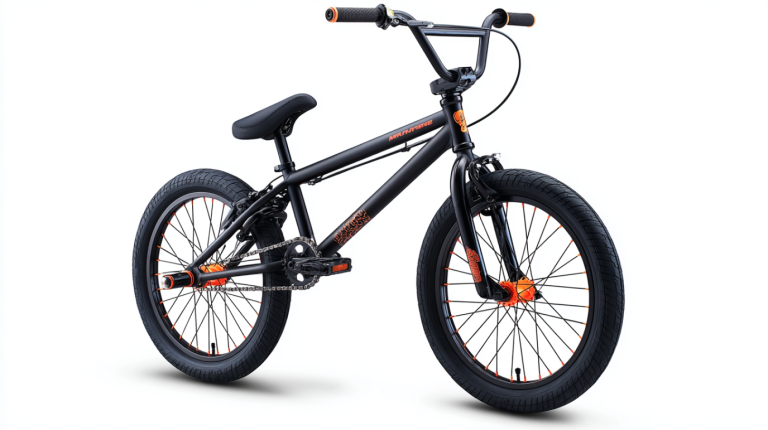
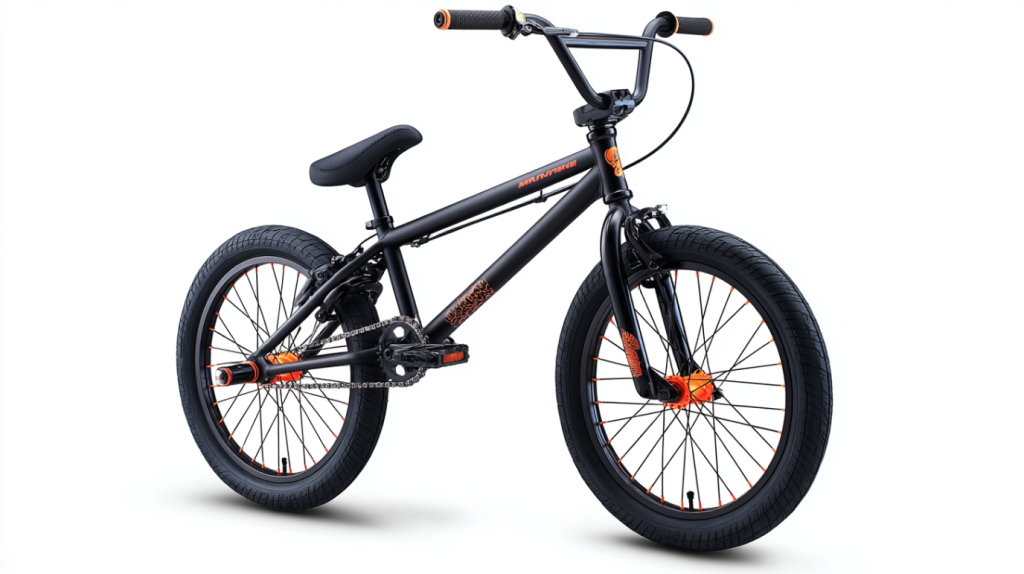

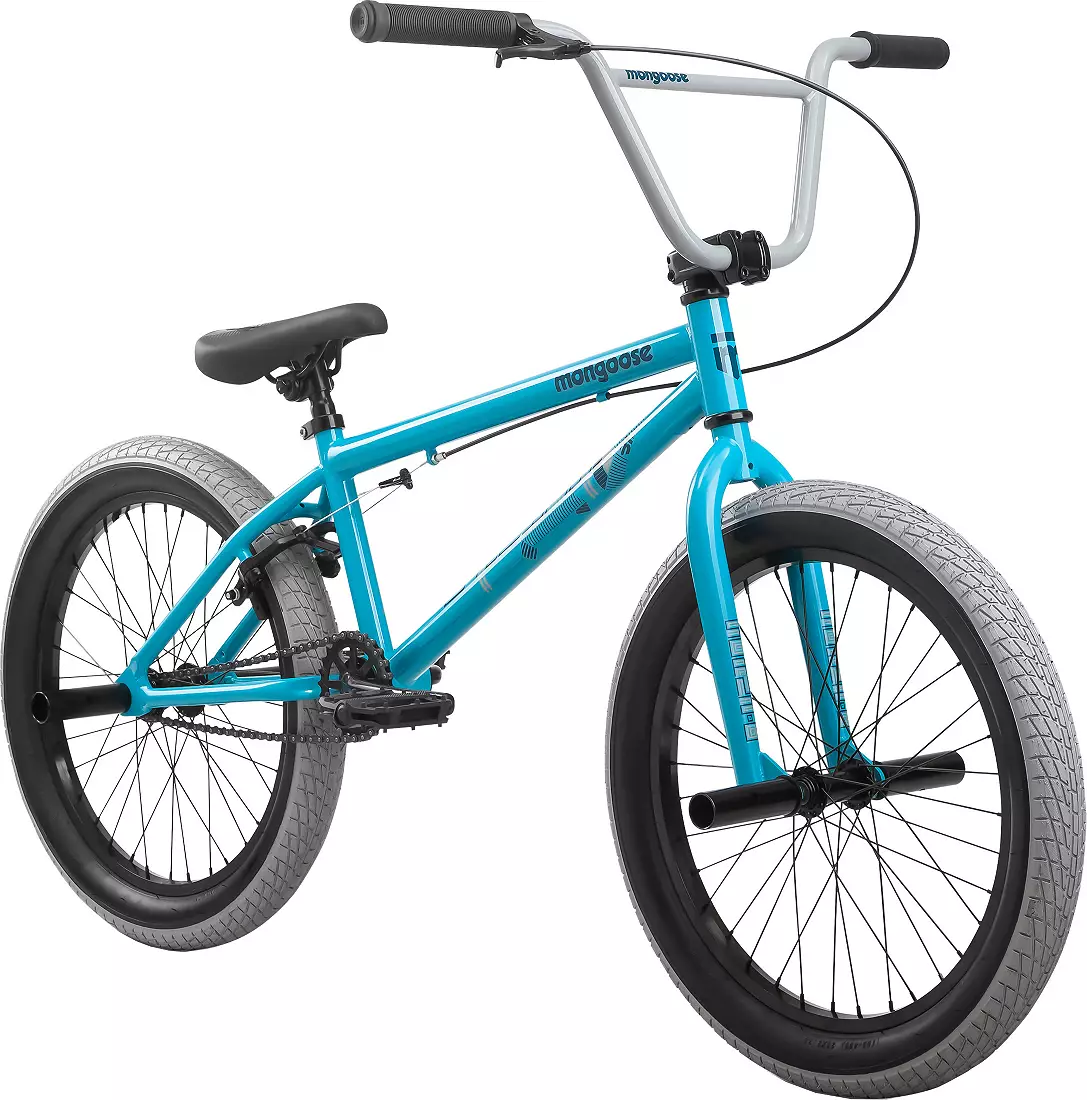
Mongoose 20” Scan 2.0 BMX Bike
- Features:
- BMX bike ideal for young BMX riders who want to push their limits and get good at the sport
- Hi-Ten steel frame with BMX geometry lends durability and style for beginning BMX riders
- Mongoose 20-inch Hi-Ten steel fork provides stable, reliable steering on the street or at the park
- Microdrive with one-piece crank, 25T chainring, and 9T cassette brings efficient pedaling while making room for tricks on the skatepark
- Aluminum U-brake stops on a dime for safety or control while performing tricks
- Aluminum rims with 20 x 2.35-inch tires offer extra cushioning for beginner tricks or just relentless cruising
$239.99
A Real Rider’s Honest Guide to Choosing, Buying, and Mastering Your Mongoose BMX
I still remember the first time I saw a BMX rider launching off a ramp at my local skate park. The bike seemed like an extension of their body—spinning, twisting, defying gravity. That moment sparked something in me, and after months of research, countless YouTube videos, and more than a few sleepless nights comparing specs, I dove headfirst into the world of BMX bikes. My weapon of choice? A Mongoose 20-inch BMX bike.
Now, after years of riding, crashing, upgrading, and helping friends pick out their own bikes, I’ve learned that choosing the right BMX isn’t just about grabbing whatever looks cool on the shelf. It’s about understanding what you need, what you’re willing to spend, and what kind of riding you actually want to do. So let me take you through everything I wish someone had told me when I was standing in that bike shop, completely overwhelmed and slightly terrified of making the wrong choice.
What Are the Best Mongoose 20-Inch BMX Bike Models?
When I first started exploring Mongoose 20-inch BMX bike models, I was shocked by how many options existed. Mongoose has been in the game since 1974, and they’ve built a reputation that sits somewhere between “legendary” and “controversial,” depending on who you ask. But here’s what I discovered through actual riding experience.
The Mongoose Legion series stands out as their flagship line. I personally rode the Legion L100 for two years, and it taught me everything about street riding. This model features a hi-ten steel frame that can take an absolute beating—trust me, I tested that theory more times than I’d like to admit. The Legion L60 and L80 offer slightly different geometries and component upgrades, making them suitable for riders who want to progress beyond basic tricks.
For those just starting out, the Mongoose Title series caught my attention because of its affordability without completely sacrificing quality. My younger cousin started on a Title Elite, and watching him progress from wobbly wheelies to actual barspins convinced me that this line delivers real value. The Title bikes come with sealed bearings, which was a game-changer compared to the cheaper alternatives I’d tested.
Then there’s the Mongoose Fireball, which leans more toward racing. I’ll be honest—I’m not a racer, but I’ve ridden alongside people who compete, and they speak highly of this model’s lightweight aluminum frame and responsive handling. It’s built for speed rather than the brutal impacts of freestyle riding.
The Mongoose Stun Freestyle deserves a mention too. This model sits in that sweet spot between beginner-friendly and genuinely capable. I borrowed my friend’s Stun for a weekend session, and I was impressed by how the double-walled rims held up during repeated landing impacts that would have taco-ed cheaper wheels.
What makes a Mongoose 20-inch BMX bike model “best” really depends on your riding style. Are you planning to session at the skate park? Hit street spots? Race? The Legion series dominates for freestyle, while the Fireball excels on the track. The Title series offers the best entry point without feeling like a toy.
How Much Does a Mongoose 20-Inch BMX Bike Cost?
Let’s talk money, because this was honestly my biggest concern when I started. I had visions of needing to drop a thousand dollars just to get started, but the reality with Mongoose 20-inch BMX bikes is much more accessible.
Entry-level models like the Mongoose Title Micro or Title 20 typically range from $250 to $350. I know that might sound like a lot if you’re just testing the waters, but hear me out—this price point gets you a legitimate BMX bike that won’t fall apart after your first bunny hop. I’ve seen people buy $150 department store bikes, and they inevitably end up replacing them within months because the frames crack or the wheels become potato chips.
The mid-range territory, where models like the Legion L60 and L80 live, usually costs between $400 and $600. This is where I personally landed, and I consider it the sweet spot for serious beginners and intermediate riders. At this price, you’re getting chromoly handlebars, better hubs, and frames that can genuinely withstand progression-level abuse.
High-end Mongoose BMX bikes, particularly the Legion L100 and certain limited editions, can push into the $700 to $900 range. When I eventually upgraded to this tier, I immediately felt the difference. The weight reduction, smoother bearing systems, and overall build quality justified the cost for me, but I wouldn’t recommend starting here unless you’re absolutely committed.
Here’s something crucial I learned the hard way: the initial purchase price isn’t your only expense. Budget for a good helmet (minimum $50 for something that’ll actually protect your brain), pads if you’re learning ($40-80), and inevitable replacement parts. My first pedals stripped after two months, and I needed new grips within three weeks because the stock ones were garbage.
Where you buy matters too. I’ve found Mongoose 20-inch BMX bikes priced differently across retailers. Online marketplaces often offer deals, but local bike shops provide assembly and tuning services that saved my butt more than once.
Is the Mongoose 20-Inch BMX Bike Good for Tricks?
This question haunted me before I bought my first Mongoose. I’d read contradictory opinions online—some riders swearing by them, others dismissing them entirely. So I did what any reasonable person would do: I rode the hell out of one and documented what worked and what didn’t.
The short answer? Yes, Mongoose 20-inch BMX bikes are good for tricks, but with important caveats based on which model you choose and how you maintain it.
I learned my first tailwhip on a Legion L80, and that bike handled it beautifully. The geometry—specifically the 75-degree head tube angle and 13.5-inch chainstays—created a balanced feel that made rotational tricks manageable. The hi-ten steel frame absorbed impacts without the scary flex I experienced on cheaper bikes. When I finally landed my first clean barspin, I was genuinely grateful for the responsive handling.
However, I won’t sugarcoat this: the stock components on lower-tier models need attention. The stock pedals on my first Mongoose were slippery nightmares that made catching tricks unnecessarily difficult. I replaced them with metal platform pedals within a month, and my trick consistency improved immediately. The stock grips also wore down fast, affecting my ability to maintain control during more technical maneuvers.
The Mongoose 20-inch BMX bike truly shines for street tricks and park riding when you dial it in properly. I’ve successfully done 180s, 360s, grinds, and even some basic flatland tricks. The weight distribution works well for manual variations, and the sturdy frame construction means you’re not constantly worried about catastrophic failure mid-trick.
For more advanced aerial tricks—backflips, flair attempts, double pegs grinds down long rails—the mid-to-high range Mongoose models perform admirably. I watched a sponsored rider absolutely destroy a Legion L100 at our local park, throwing tricks I didn’t even know were possible. That said, some professional-level riders prefer boutique brands for their cutting-edge geometry and ultra-light builds.
One thing I appreciated: the learning curve with a Mongoose 20-inch BMX bike felt forgiving. The weight (more on that later) provided stability during my early attempts, preventing the twitchy, out-of-control feeling I’d experienced on ultra-light bikes. As I progressed, I learned to use that weight to my advantage, letting momentum carry through tricks rather than fighting against the bike.
Where Can I Buy a Mongoose 20-Inch BMX Bike Online?
Navigating the online marketplace for BMX bikes felt like entering a maze blindfolded. I made mistakes, learned lessons, and eventually figured out the reliable sources for purchasing a Mongoose 20-inch BMX bike without getting burned.
Major online retailers stock Mongoose extensively. I’ve personally purchased from several platforms, and each has distinct advantages. Amazon offers convenience and often competitive pricing, plus their return policy saved me when I accidentally ordered the wrong size for my nephew’s birthday. The product reviews helped me gauge real-world performance, though I learned to filter out obvious fake reviews.
Walmart’s online store surprised me with legitimate deals on entry-level models. I was skeptical at first—buying a BMX bike from Walmart felt wrong somehow—but their online inventory included genuine Mongoose models at decent prices. The catch? Assembly quality varies wildly depending on whether you pick up in-store or have it shipped. I strongly recommend assembling it yourself or taking it to a local shop.
Specialized bike retailers online, like Jenson USA and Chain Reaction Cycles, provided the best overall experience for my mid-range purchase. The customer service actually knew what they were talking about, and the bikes arrived properly packaged with minimal assembly required. Prices ran slightly higher, but the expertise and support justified the difference.
eBay became my go-to for finding older or discontinued Mongoose 20-inch BMX bike models. I snagged a barely-used Legion L60 for $280—nearly half the retail price—from a parent whose kid gave up BMX after three months. The risk here involves condition assessment and potential scams, so I learned to ask for detailed photos, verify serial numbers, and use PayPal for purchase protection.
Direct from Mongoose’s website seemed like the obvious choice, but I found their pricing often matched or exceeded other retailers without additional benefits. However, their limited edition releases and colorway exclusives occasionally made it worthwhile. I grabbed a special edition Legion in matte black that I’d never seen anywhere else.
Facebook Marketplace and Craigslist offered local pickup options that eliminated shipping costs. I’ve bought two used Mongoose bikes this way, both in excellent condition from adults who’d bought them with good intentions but never rode them. Meeting in person let me inspect the bike thoroughly and test ride before committing money.
One critical lesson: beware of counterfeit listings on lesser-known platforms. I almost bought what looked like a Mongoose 20-inch BMX bike from a sketchy website offering “70% off retail.” The red flags—broken English in the description, no phone number, unrealistic pricing—saved me from what would have been a total loss. Stick with established retailers or verified sellers.
What Are the Specifications of a Mongoose 20-Inch BMX Bike?
Getting into specifications initially bored me senseless. Numbers, angles, materials—it all seemed unnecessarily complicated. But after my first frame crack (user error on a bike that wasn’t specced for my riding style), I became obsessed with understanding what those specs actually meant in real-world performance.
The frame material dominates spec sheets for good reason. Most Mongoose 20-inch BMX bikes feature hi-ten steel frames in entry and mid-level models. Hi-ten (high tensile) steel provides durability and affordability, though it adds weight. My Legion L80’s hi-ten frame survived countless crashes that would have destroyed aluminum. Some riders complain about the weight, but I appreciated the stability during learning phases.
Higher-end models incorporate chromoly steel, a blend of chromium and molybdenum that offers superior strength-to-weight ratios. When I upgraded to a bike with a full chromoly frame, I immediately noticed the lighter feel without sacrificing the robust impact resistance I’d come to rely on. The weight difference was only a few pounds, but it translated to easier manuals and more controlled aerial tricks.
The geometry specs confused me initially, but they dramatically affect how a bike feels. Most Mongoose 20-inch BMX bikes feature:
- Top tube length: Typically ranging from 20 to 21 inches, affecting your standing position and reach. I’m 5’10”, and a 20.5-inch top tube felt perfect for my proportions.
- Head tube angle: Usually around 74-75 degrees, influencing steering responsiveness. Steeper angles (75+) provide quicker handling, while slacker angles offer stability.
- Chainstay length: Generally 13.5 to 14.5 inches, determining how the rear end behaves during tricks. Shorter stays make the bike more maneuverable for technical riding.
Wheel specifications matter more than I initially thought. Double-walled rims became non-negotiable after I bent a single-wall rim during my third session. Most quality Mongoose models include 36-spoke double-walled aluminum rims that balance strength and weight. The hub spacing—typically 110mm rear and 100mm front—accommodates peg installation if you’re into grinding.
Gearing ratios seemed like advanced mathematics until I understood their practical application. The standard 25/9 gearing (25-tooth front sprocket, 9-tooth rear cog) on many Mongoose 20-inch BMX bikes provides a balanced ratio for both tricks and casual riding. Some models offer 28/9 or other variations for riders who prefer different acceleration characteristics.
Handlebar dimensions deserve attention too. Rise (typically 8-9 inches) and width (usually 27-29 inches) affect your control positioning. I prefer wider bars for park riding but have friends who cut theirs down for street sessions. The three-piece chromoly bars on mid-range Mongoose bikes handle the torque from hard landings far better than cheaper two-piece alternatives.
Brake systems vary by model and intended use. Some Mongoose 20-inch BMX bikes come with U-brakes or linear-pull brakes, while others ship brakeless for riders who prefer that setup. I learned on a bike with rear brakes and still prefer having them, despite the “brakes are for beginners” attitude some riders display.
What Is the Weight of a Mongoose 20-Inch BMX Bike?
Weight became a controversial topic in every BMX conversation I had. Some riders obsess over shaving ounces, while others dismiss weight concerns entirely. My experience with various Mongoose 20-inch BMX bike models taught me that weight matters, but not always how you’d expect.
Entry-level Mongoose models typically weigh between 28 and 32 pounds. My first bike, a Title 20, clocked in at 30.5 pounds according to my bathroom scale. That weight felt substantial when I first threw it into my car, but it provided unexpected advantages during learning phases. The bike’s heft kept me grounded, preventing the twitchy, uncontrolled feeling that plagued my attempts on a friend’s ultra-light setup.
Mid-range models like the Legion series usually fall between 26 and 29 pounds. When I upgraded to the Legion L80 (27.8 pounds), I noticed the difference immediately during bunny hops and manual attempts. The reduced weight made initiating tricks easier, though the stability I’d relied on diminished slightly. I adapted within a few sessions, and the trade-off felt worthwhile.
High-end Mongoose 20-inch BMX bikes with full chromoly frames and upgraded components can drop to 24-26 pounds. A friend’s fully-built Legion L100 weighed 25.2 pounds, and riding it felt like floating compared to my earlier bikes. However, the price jumped significantly for those saved pounds, and I questioned whether beginners truly needed that performance level.
Here’s what I learned about weight in practical terms: those extra pounds affect different aspects of riding differently. For aerial tricks—tailwhips, barspins, anything involving rotation—lighter bikes spin faster and require less initial force. I struggled with consistent tailwhips on my 30-pound bike but landed them more reliably after upgrading to something lighter.
Conversely, for grinds and stalls, that extra weight sometimes helps. The momentum carries through grinds more smoothly, and the bike doesn’t feel like it’ll slip out unpredictably. During my first attempts at feeble grinds, the heavier bike’s stability prevented several potential crashes.
The weight distribution matters as much as total weight. A well-balanced 28-pound Mongoose 20-inch BMX bike handles better than a poorly-designed 25-pound bike with awkward weight placement. Mongoose generally does decent work balancing their builds, though I’ve noticed the stock seat and post add unnecessary weight that many riders immediately replace.
For younger or smaller riders, weight becomes more critical. I helped a 12-year-old pick out his first BMX, and the difference between a 32-pound and 27-pound bike was dramatic in his ability to control and maneuver it. We prioritized lighter options within his budget, which meant targeting specific mid-range models.
I eventually stopped obsessing over exact weight numbers and focused on how the bike felt. A Mongoose 20-inch BMX bike that weighs 28 pounds but fits your body and riding style perfectly will always outperform a 24-pound bike with wrong geometry or uncomfortable positioning.
Does the Mongoose 20-Inch BMX Bike Come With Pegs for Stunts?
This question tripped me up during my first purchase because I assumed all BMX bikes came ready for grinding. Spoiler alert: they don’t, and understanding peg compatibility saved me from a frustrating mistake.
Most Mongoose 20-inch BMX bikes ship without pegs installed, though some models include them as accessories in the box. My Legion L80 came with pegs packaged separately, which initially confused me—why sell a freestyle bike without essential grinding equipment pre-installed? The answer involves rider preference and versatility.
Some riders never use pegs. They focus on aerial tricks, manuals, and technical riding that doesn’t involve grinding rails or ledges. Shipping bikes without pre-installed pegs allows these riders to keep their setup lighter and cleaner. I rode peg-less for my first three months, focusing on basic tricks before adding grinding to my repertoire.
When I finally installed pegs, I appreciated having the choice of where to mount them. Some riders run four pegs (both sides, front and rear), others prefer two on one side for their dominant grinding direction, and some mix configurations based on their trick preferences. I started with two rear pegs on my grinding side, then added front pegs after I learned feeble grinds.
The Mongoose 20-inch BMX bike hub design accommodates standard 3/8-inch axle pegs on most models. I verified this before purchasing aftermarket pegs, having heard horror stories of riders buying incompatible hardware. The rear hub spacing (110mm) and front spacing (100mm) on Mongoose bikes accepts industry-standard pegs without modification.
Quality varies dramatically in included pegs. The pegs that came with my Legion were basic plastic-sleeve steel pegs that worked fine initially but wore down faster than I expected. After grinding concrete ledges for a few weeks, the plastic sleeves shredded, exposing the steel core. I upgraded to aluminum pegs with replaceable sleeves, which lasted significantly longer and provided smoother grinds.
Some entry-level Mongoose 20-inch BMX bikes don’t include peg-compatible hubs or axles. I learned this helping my nephew pick a bike—his Title Micro had axles too thin for standard pegs, requiring either adapter kits or complete hub replacements to add grinding capability. This matters if you’re buying for someone who might want to progress into grinding later.
Installing pegs yourself is straightforward but requires basic tools. I used a 15mm wrench for the axle nuts and a 17mm for the peg nuts. The process took maybe 10 minutes per wheel once I figured out the proper tightening sequence. Mongoose includes basic instructions with bikes that ship with peg accessories, though YouTube tutorials provided clearer guidance.
One consideration: pegs add weight (typically 6-10 ounces per peg) and affect how the bike handles. The weight shift toward the ends of the axles changes the rotational feel during tricks. I noticed my tailwhips slowed slightly after adding four pegs, though I adapted quickly. Some riders strategically install only the pegs they actively use to minimize this effect.
If you’re buying a Mongoose 20-inch BMX bike specifically for grinding, verify peg compatibility and availability. Some retailers bundle pegs with purchase as promotions, while others sell them separately. Budget an extra $20-40 for decent aftermarket pegs if the included ones feel cheap or if the bike doesn’t include them at all.
Is the Mongoose 20-Inch BMX Bike Suitable for Beginners?
Standing in that bike shop, completely green to BMX riding, I needed someone to tell me honestly whether I was making a smart choice. Now, after teaching multiple friends and family members to ride, I can confidently address whether a Mongoose 20-inch BMX bike is suitable for beginners.
Absolutely yes—with the right model selection and realistic expectations. The Title series specifically targets beginners with forgiving geometry, accessible pricing, and components that can handle the learning curve’s inevitable abuse. My cousin started on a Title Elite at age 13 with zero bike experience, and within six months he was confidently riding at the skate park.
The Legion series, particularly the L60 and L80 models, serves beginners who already know they’re committed to progression. I started with an L80 despite being a complete novice, and while the bike exceeded my immediate skill level, I appreciated not needing to upgrade as I improved. This approach saved money long-term compared to buying a cheaper bike and replacing it within a year.
What makes Mongoose 20-inch BMX bikes suitable for beginners specifically? Several factors stood out during my learning process:
The geometry provides stability without feeling sluggish. As a beginner, I needed a bike that didn’t punish small mistakes with immediate crashes. The balanced feel helped me build confidence during those terrifying first attempts at dropping into ramps or riding on coping.
The weight, while sometimes criticized by advanced riders, actually benefits beginners. That extra mass keeps you planted and reduces the sketchy, out-of-control feeling that comes with lighter bikes when you don’t yet have refined balance. I’ve watched beginners struggle on ultra-light bikes because every tiny movement translates to dramatic bike responses.
Component quality on mid-range Mongoose bikes withstands beginner mistakes. I crashed hard learning, and my bike took impacts that would have destroyed cheaper alternatives. Bent handlebars straightened, scratched frames kept riding, and components that seemed overbuilt for my skill level proved perfectly appropriate once I started actually testing them.
The widespread availability of parts makes maintenance accessible for beginners. When I snapped my first chain (don’t ask), I found a replacement at every local bike shop because Mongoose uses standard BMX components. Boutique brands sometimes require specialized parts that intimidate beginners or demand extended wait times.
However, beginners should avoid the absolute cheapest Mongoose 20-inch BMX bikes. Models priced under $200 often cut corners that matter—weak wheels, unreliable bearings, frames that flex dangerously. I’ve seen these bikes fail in ways that discouraged potential riders from continuing. Spending an extra $100-150 for a Title or entry-level Legion makes a substantial quality difference.
The learning curve on a Mongoose feels appropriate. I wasn’t immediately throwing barspins, but the bike didn’t prevent progression either. Each new trick felt achievable with practice, and the bike never became the limiting factor—my skill (or lack thereof) was.
Age and size considerations matter too. The Mongoose 20-inch BMX bike fits riders roughly 4’8″ to 6’2″, though I’ve seen variations outside this range. I’m 5’10” and felt perfectly comfortable, while my 6’3″ friend needed a larger frame size (Mongoose offers 21-inch and larger models for taller riders). Younger kids might benefit from 16-inch or 18-inch models before graduating to 20-inch bikes.
Does the Mongoose 20-Inch BMX Bike Have a Steel or Aluminum Frame?
Frame material confused me initially because different models within the Mongoose lineup use different materials, and the implications weren’t immediately obvious. Understanding whether your Mongoose 20-inch BMX bike has a steel or aluminum frame significantly impacts performance, durability, and price.
Most Mongoose BMX bikes utilize steel frames, specifically hi-ten (high tensile) steel in entry and mid-level models. My first two Mongooses both had hi-ten steel frames, and I developed a deep appreciation for this material’s characteristics. Steel flexes slightly under stress, absorbing impacts rather than transmitting them entirely to your body. During hard landings that made my teeth rattle, I was grateful for that slight give.
The durability of steel frames proved itself repeatedly. I’ve crashed in ways that should have destroyed my bike—full-speed slams into concrete, over-rotated backflips, disastrous rail attempts—and my hi-ten steel frame survived with only cosmetic damage. Steel dents and scratches rather than cracking catastrophically like aluminum sometimes does under similar stress.
Weight represents steel’s primary disadvantage. My hi-ten steel Mongoose 20-inch BMX bike weighed about 3-5 pounds more than comparable aluminum-framed bikes. For beginners, this mattered less, but as I progressed to more technical aerial tricks, those extra pounds required more effort to maneuver.
Higher-end Mongoose models incorporate chromoly steel (chromium-molybdenum alloy), which offers the best of both worlds. Chromoly provides steel’s durability and flex characteristics while reducing weight significantly. When I upgraded to a Legion L100 with full chromoly construction, the difference was immediately apparent. The bike felt responsive and lively while maintaining that confidence-inspiring steel toughness.
Some Mongoose models, particularly race-oriented bikes like the Fireball, utilize aluminum frames. Aluminum offers significant weight savings—my friend’s Fireball weighed nearly 5 pounds less than my steel Legion. For racing applications where every ounce affects acceleration, aluminum makes sense.
However, aluminum’s characteristics differ fundamentally from steel. Aluminum doesn’t flex; it’s rigid and transmits impacts more directly. I borrowed that Fireball for a freestyle session and found myself exhausted after an hour because every landing jarred through my body. The bike felt twitchy and less forgiving of technique mistakes.
Aluminum also fails differently than steel. While steel typically shows visible stress through bending or deformation before catastrophic failure, aluminum can crack suddenly without warning. I’ve seen aluminum frames fail mid-session, which terrifies me. Steel’s failure pattern feels safer—you’ll notice problems developing and can address them before disaster strikes.
The Mongoose 20-inch BMX bike material choice should align with your riding style. For park and street freestyle riding, steel (especially chromoly) offers durability and the right performance characteristics. For racing, aluminum’s weight advantages justify the trade-offs. For beginners, I always recommend steel frames because they’re more forgiving of the inevitable crashes and mistakes.
Price correlates with material quality. Hi-ten steel bikes sit at the entry level ($250-400), chromoly models occupy the mid-range ($400-700), and aluminum options vary widely depending on grade and construction quality. Full chromoly frames command premium pricing because the material costs more and requires specialized welding techniques.
One practical consideration: steel rusts if not properly maintained. I learned this after leaving my bike outside during a rainy week—surface rust appeared on the frame where paint had chipped. Regular cleaning and touching up paint scratches prevents this, but aluminum doesn’t present this concern.
How to Assemble a Mongoose 20-Inch BMX Bike?
The day my Mongoose 20-inch BMX bike arrived in a box, I felt a mixture of excitement and terror. Assembly seemed daunting, especially with warnings about improper assembly leading to catastrophic failure. Here’s what I learned through multiple assemblies, some successful and one embarrassingly wrong.
Most Mongoose bikes arrive 85% assembled. The frame, wheels, crankset, and fork come pre-installed. You’ll need to attach the handlebars, seat/seatpost, pedals, and possibly the front wheel depending on packaging. This isn’t rocket science, but specific steps matter for safety and performance.
Tools you’ll need: A set of Allen wrenches (4mm, 5mm, and 6mm cover most bolts), a 15mm wrench for pedals and axle nuts, adjustable wrench for miscellaneous nuts, and potentially a Phillips head screwdriver. I bought a basic bike-specific multi-tool for $15 that included everything necessary. Don’t use random household tools—I stripped bolt heads trying to use poorly-fitting wrenches.
Step one: Install the front wheel if necessary. My first Mongoose shipped with the front wheel separate. Loosen the axle nuts, slide the wheel into the fork dropouts ensuring it’s centered and seated fully, then tighten the nuts evenly. I made the mistake of over-tightening one side first, which threw the wheel off-center and caused wobbling. Tighten gradually, alternating sides.
Step two: Attach the handlebars. This seems simple but has critical safety implications. The stem (the part connecting bars to fork) needs proper alignment—handlebars should be perpendicular to the front wheel when you’re standing over the bike. I installed mine slightly off-angle once and only noticed when steering felt weird. The stem bolts require firm tightening—I use about 15-20 Nm of torque, though most people without torque wrenches just tighten firmly by hand. Ensure the handlebar clamp is secure but not crushing the bars.
Step three: Install pedals. This step trips up many beginners because pedals have different threading. The right pedal threads on normally (righty-tighty), but the left pedal has reverse threading (lefty-tighty). I spent 10 frustrated minutes trying to force the left pedal on backward before discovering this. The pedals should screw in smoothly by hand initially; if you’re forcing them, stop and reconsider. Once hand-tight, use the 15mm wrench to secure them firmly—pedals can work loose and strip threads if not properly tightened.
Step four: Attach seat and seatpost. The seat typically comes pre-attached to the seatpost, so you just insert the post into the frame’s seat tube and secure with the clamp bolt. Set height appropriately—I prefer mine where my leg is slightly bent at the bottom of the pedal stroke, though BMX riders often run seats lower for trick clearance. Ensure the seat clamp is tight enough that the post won’t slip but not so tight you crack the clamp (I’ve seen this happen).
Step five: Check brake installation if applicable. Some Mongoose 20-inch BMX bikes come with brakes pre-installed, others require cable attachment. If your bike has brakes, verify the brake pads align properly with the rim (not the tire), cables have appropriate tension, and the brake lever feels responsive. I had to adjust my rear U-brake’s spring tension because it wasn’t releasing fully after engagement.
Step six: Inflate tires properly. This seems obvious, but proper pressure matters more than I initially thought. Check the sidewall for recommended PSI (usually 40-65 PSI for BMX). I rode with under-inflated tires my first week and couldn’t figure out why bunny hops felt sluggish—adding 15 PSI transformed the bike’s responsiveness.
Safety checks before riding: Spin both wheels to verify they’re true (no wobbling) and not rubbing brakes or frame. Squeeze brake levers to confirm they engage properly. Check all bolts and nuts are secure—I methodically go through every connection point. Test the steering through full range of motion. Bounce the bike to listen for rattles or loose components.
I made several mistakes during my first assembly. I initially over-tightened the stem bolts and slightly crushed the handlebars, requiring replacement. I forgot to grease the seatpost, which later seized inside the frame and required significant effort to remove. I didn’t properly align the front wheel, causing it to rub the brake pads.
For absolute beginners, consider having a local bike shop assemble or at least check your work. Most shops charge $30-50 for assembly, which feels expensive until you consider the cost of replacing stripped bolts or damaged components from improper installation. I now assemble my own bikes confidently, but I appreciated professional help initially.
YouTube tutorials specific to your model help tremendously. I watched three different assembly videos before tackling my first Mongoose 20-inch BMX bike, which gave me confidence and caught potential mistakes before making them.
What Colors Are Available for the Mongoose 20-Inch BMX Bike?
Color might seem superficial compared to technical specs, but I’ve witnessed riders agonize over color choices, myself included. The Mongoose 20-inch BMX bike lineup offers surprising variety, though availability fluctuates with model years and inventory.
The classic black dominated my early research. Nearly every Mongoose model offers black, either matte or glossy finish. My first bike was matte black, which looked stealth and disguised the inevitable scratches from learning. Black remains popular because it pairs well with any colored accessories and maintains a clean appearance even when weathered.
Bright color options appeal to riders wanting visibility and personality. I’ve seen Mongoose BMX bikes in electric blue, vivid red, neon green, and vibrant orange. My nephew chose a bright blue Legion that absolutely pops at the skate park—you can spot him from across the facility. These bold colors also serve practical purposes; several parents mentioned choosing bright bikes for visibility when their kids ride in traffic or crowded areas.
Two-tone and multi-color designs appear on select models. I particularly remember a white and red Legion that caught my eye during shopping. The color-blocking created visual interest beyond solid schemes. Some limited editions feature three or more colors, though these models often command slight price premiums and sell out quickly.
Metallic finishes add another dimension. I rode a friend’s silver metallic Mongoose that looked completely different depending on lighting—sometimes appearing almost white, other times showing darker gray tones. The metallic flake in the paint created depth that solid colors lack.
Matte versus glossy finishes affect more than aesthetics. Matte paint shows scratches less obviously, maintaining a cleaner appearance longer. However, matte finishes can be harder to keep clean—dirt and grime sometimes settle into the texture. My glossy black bike showed every scratch but cleaned up beautifully with simple soap and water.
Color availability varies significantly by model and retailer. The Title series typically offers 3-4 color options per specific model. The Legion series sometimes has 5-6 choices, though finding all colors in stock simultaneously proved challenging. Racing models lean toward traditional race colors—bright primaries and whites that photograph well.
Limited edition colorways create collector appeal. Mongoose occasionally releases special color schemes tied to events, anniversaries, or collaborations. I missed out on a limited matte olive green Legion that I still regret not buying. These special editions often appreciate in value if kept in good condition.
Custom color modifications remain popular among dedicated riders. I’ve considered repainting my bike multiple times after seeing incredible custom paint jobs at competitions. Professional powder coating costs $200-400 but creates durable, unique finishes. Some riders take the DIY approach with spray paint, though results vary wildly based on preparation and skill.
The relationship between color and resale value surprised me. Popular colors (black, blue, red) tend to sell faster and maintain value better than unusual colors. My friend struggled to sell a lime green Mongoose because potential buyers found the color polarizing. Classic colors appeal to broader audiences when you eventually upgrade.
How Does the Mongoose 20-Inch BMX Bike Compare to Other Brands?
Comparing Mongoose to other BMX brands consumed weeks of my research. I test-rode bikes from multiple manufacturers, talked to riders with various brand loyalties, and formed opinions that stirred up controversy in my local riding community.
Against entry-level competitors like Kink Whip or Haro Downtown, the Mongoose 20-inch BMX bike holds its own admirably in the $300-400 range. I rode a Kink Whip back-to-back with my Legion L60, and the performance felt remarkably similar. The Kink had slightly better stock tires, but my Mongoose featured superior brake components. At this price point, differences come down to personal preference and specific component choices rather than fundamental quality gaps.
Sunday and Subrosa represent the next tier up, typically starting around $500-600. When I borrowed a Sunday Blueprint, I immediately noticed the refined feel—smoother bearing systems, crisper geometry, lighter overall weight. The Blueprint felt like a precision instrument compared to my Mongoose’s workhorse character. However, that performance difference cost significantly more, and I questioned whether beginners truly needed that refinement.
Premium brands like Cult, Fit, and S&M create bikes that cost $800-1200+. I’ve ridden several high-end builds, and yes, the difference is noticeable. Everything feels tighter, more responsive, specifically designed for advanced riding. But here’s my honest take: a Mongoose 20-inch BMX bike never limited my progression to intermediate-level riding. The expensive bikes offered benefits I couldn’t fully utilize until my skills caught up.
The brand perception issue can’t be ignored. Some riders dismiss Mongoose as “cheap department store bikes,” which frustrated me because my Legion performed excellently. This reputation stems partially from Mongoose’s entry-level offerings sold at mass retailers, but their mid-range models compete seriously with respected BMX brands. I’ve proven doubters wrong by throwing tricks they assumed impossible on a Mongoose.
Component quality represents one clear differentiator. Premium brands typically spec higher-end parts throughout—sealed bearing systems, chromoly everything, precision-machined components. My Mongoose had a mix of quality pieces with some cost-saving measures (plastic pedals, basic grips, unsealed bearings in certain spots). Upgrading key components brought my Mongoose much closer to premium bike performance for less total investment.
Geometry differences separate brands too. Mongoose tends toward more traditional BMX geometry, while brands like Sunday experiment with longer or shorter dimensions. I prefer Mongoose’s balanced feel, but riders seeking specific geometry characteristics might find better options elsewhere. My tall friend (6’4″) needed a longer top tube than Mongoose offered, pushing him toward brands with extended geometry lines.
Warranty and customer service vary dramatically between brands. Mongoose, being a large company, offers standardized warranty coverage but sometimes impersonal service. Smaller brands often provide more direct customer interaction and personalized support. I contacted Mongoose about a potentially defective hub once and received a replacement through their warranty process, though it took three weeks and multiple emails.
The weight comparison reveals Mongoose’s main technical disadvantage against similarly-priced competitors. Most mid-range Mongoose models weigh 1-3 pounds more than equivalent bikes from brands focused exclusively on BMX. For riders prioritizing weight savings, this matters. I eventually accepted the trade-off because I valued Mongoose’s durability and affordability more than marginal weight reductions.
Innovation and trend-setting typically come from specialized BMX brands rather than Mongoose. New geometry concepts, component designs, and style directions often debut on Cult or Fit bikes before trickling down to larger manufacturers. Mongoose tends to adopt proven designs rather than pioneer new directions, which results in reliable but less cutting-edge products.
For pure value—performance per dollar spent—the Mongoose 20-inch BMX bike dominates in the under-$500 category. I’ve challenged anyone to find a significantly better bike for $400-450 than a Legion L80, and nobody’s presented a compelling alternative yet. Beyond $500, specialized BMX brands often justify their pricing with tangible quality improvements.
Is the Mongoose 20-Inch BMX Bike Good for Racing?
Racing BMX differs fundamentally from freestyle, and I learned this distinction the hard way by attempting to race on my freestyle-oriented Legion. Understanding whether a Mongoose 20-inch BMX bike is good for racing requires clarifying which type of Mongoose and which type of racing.
Mongoose produces race-specific models like the Fireball and Title Series Race bikes designed explicitly for BMX racing. My friend competes locally on a Fireball, and it performs admirably on the track. The lightweight aluminum frame, race-specific gearing, and competition-geometry fork help him maintain competitive speeds. He’s placed on podiums against riders on more expensive race bikes, proving Mongoose can hang at local and regional racing levels.
However, freestyle Mongoose models like the Legion series struggle in racing applications. I entered a local race on my Legion L80 out of curiosity, and while I completed the track, everything about the experience felt wrong. The bike’s weight disadvantaged me during sprint starts. The trick-oriented geometry made pumping through rhythm sections inefficient. The wider handlebars caught air resistance that cost precious milliseconds.
For USA BMX or UCI sanctioned racing at competitive levels, serious racers typically choose dedicated race bikes from specialist brands or Mongoose’s race-specific models. The performance margins in racing are razor-thin, and equipment advantages accumulate quickly. My racing friend eventually upgraded to a more expensive race-specific brand but credits his Mongoose Fireball for teaching him fundamentals without financial devastation.
Recreational or entry-level racing represents where Mongoose shines. Local track practice sessions, fun races, or beginning racers benefit from Mongoose’s accessible pricing and decent performance. Kids especially benefit from Mongoose race bikes because they’re affordable enough that parents don’t panic when their child inevitably crashes or changes interests. I’ve watched numerous young racers develop skills on Mongoose bikes before moving to premium equipment.
The gearing differences between freestyle and race Mongoose bikes matter significantly. Race models typically run 43/16 or similar ratios optimized for acceleration and top-end speed. My freestyle bike’s 25/9 ratio feels sluggish in racing contexts, though it’s perfect for tricks. Swapping gearing can help adapt a freestyle bike for racing, but fundamental geometry differences remain.
Track-specific features separate race bikes from freestyle builds. Race bikes have no brake mounts (UCI regulations prohibit brakes in racing), shorter chainstays for agility, steeper geometry for responsiveness, and lighter components throughout. My Mongoose 20-inch BMX bike included multiple freestyle-specific features (brake mounts, longer chainstays, reinforced frame sections) that added weight and changed handling characteristics unsuitable for racing.
I wouldn’t recommend buying a freestyle Mongoose for serious racing, but the opposite holds true too—race bikes make terrible freestyle platforms. The specialized nature of each discipline demands appropriate equipment. Mongoose offers options for both, so choosing the right category matters more than obsessing over brand hierarchies.
For someone casually interested in trying racing while primarily riding freestyle, a mid-ground approach works. I’ve seen riders remove brakes from freestyle bikes, swap to race gearing, and practice basic track skills. This helps determine interest before investing in dedicated race equipment. However, expecting competitive results from this setup sets you up for disappointment.
Does the Mongoose 20-Inch BMX Bike Come With a Warranty?
Warranty coverage seemed boring until I actually needed it. Understanding what protection you have when buying a Mongoose 20-inch BMX bike prevented a costly mistake and saved me significant money when a defect surfaced.
Mongoose typically offers a limited lifetime warranty on frames for original owners. This covered me when microfractures appeared on my Legion’s frame after two years of aggressive riding. I contacted Mongoose customer service, provided proof of purchase and photos of the damage, and received a replacement frame within a month. The process required patience—multiple emails, some waiting, detailed documentation—but they honored the warranty without excessive hassle.
Components carry different warranty terms, usually ranging from 30 days to one year depending on the part. When my rear hub failed after six months, I discovered it fell outside warranty coverage because I’d modified it by installing different bearings. This taught me that modifications can void warranties, something I wish I’d understood earlier.
The warranty transfer policy matters if you’re buying used. Mongoose warranties typically apply only to original purchasers with proof of purchase. I bought a used Legion from someone who’d kept the receipt, and Mongoose still honored the frame warranty after I registered it, though this seemed like a gray area in their policy. Most used purchases won’t include transferable warranty protection.
Retailer-specific warranties sometimes supplement manufacturer coverage. I bought my second Mongoose from a local bike shop that offered their own 90-day coverage on all components and free adjustments for six months. This proved valuable when my headset needed tightening after a month—they adjusted it for free when Mongoose’s warranty wouldn’t have covered this normal maintenance.
What the warranty doesn’t cover matters as much as what it does. Normal wear and tear, damage from crashes or abuse, modifications, and cosmetic issues typically aren’t covered. When I bent my handlebars attempting a trick beyond my skill level, Mongoose rightly declined warranty coverage because I’d caused the damage through misuse.
Filing a warranty claim requires specific documentation. I learned to keep purchase receipts, take photos of my bike when new, and document any issues thoroughly. My successful frame replacement claim included: original receipt, multiple photos showing the fracture from different angles, detailed description of when I noticed the problem, and my riding history. Incomplete claims get rejected or delayed.
Some Mongoose 20-inch BMX bikes purchased from unauthorized retailers or marketplaces may have limited or no warranty coverage. I almost bought a discounted Mongoose from a random online seller before discovering they weren’t an authorized dealer. Had problems developed, Mongoose could have denied warranty claims. Verify seller authorization before purchasing if warranty matters to you.
The warranty process timeline frustrated me initially. From submitting my claim to receiving the replacement frame took about five weeks, during which I couldn’t ride. Plan for delays—have a backup bike if possible, or be patient. Expediting warranty claims rarely works despite how urgently you need the bike.
International purchases complicate warranties significantly. A friend bought a Mongoose while traveling abroad, and when issues developed back home, navigating warranty coverage across countries became a nightmare. If you’re purchasing internationally, research warranty applicability in your region beforehand.
What Are the Pros and Cons of a Mongoose 20-Inch BMX Bike?
After years of riding, crashing, upgrading, and helping others choose bikes, I’ve developed strong opinions about Mongoose 20-inch BMX bike advantages and disadvantages. Here’s my honest assessment:
Pros:
The value proposition stands out most prominently. For $300-600, you get a legitimate BMX bike capable of real progression. I’ve taken my Mongoose from complete beginner to landing clean 360s and grinding rails. That performance-to-price ratio beats almost anything else available.
Durability exceeded my expectations. I’ve crashed hard, repeatedly, and my Mongoose absorbed punishment that destroyed friends’ bikes. The steel frame construction proved nearly indestructible under typical (and some atypical) riding conditions. Scratches and dents became battle scars, but structural integrity remained solid.
Wide availability makes ownership convenient. When I needed replacement parts at 6 PM before a session, local shops stocked compatible components. Traveling to other cities, I never worried about finding service or parts. This accessibility matters more than enthusiasts often acknowledge.
The learning curve feels appropriate for progression. The bike’s weight and geometry provided stability during sketchy learning phases while allowing growth into intermediate tricks. I never felt the bike held me back until I approached advanced skill levels.
Parts compatibility simplified upgrades. Standard BMX components fit my Mongoose, allowing me to customize gradually. I upgraded pedals, grips, seat, tires, and chain over time, improving performance without replacing the entire bike.
Cons:
Weight represents the primary technical disadvantage. My Legion weighed 3-5 pounds more than similarly-priced bikes from specialized BMX brands. Those extra pounds required more effort during aerial tricks and sometimes affected rotational speed. For riders prioritizing lightweight performance, this matters significantly.
Stock component quality varies considerably. Some parts—particularly pedals, grips, and tires on entry models—need immediate replacement for optimal performance. I budgeted an extra $50-100 for these upgrades, which affected the total cost calculation.
Brand perception creates social challenges in some riding communities. I’ve encountered dismissive attitudes from riders who prejudge Mongoose as inferior without actually testing them. This bothered me initially, though proving them wrong through riding eventually became satisfying.
Innovation lags behind specialized BMX brands. Mongoose tends toward proven designs rather than cutting-edge geometry or component choices. Riders wanting the latest trends or experimental features should look elsewhere.
The entry-level models can discourage beginners if they choose poorly. The cheapest Mongoose bikes ($200 and under) often provide frustrating experiences that turn people away from BMX entirely. The quality gap between these bottom-tier models and the mid-range bikes is substantial.
Resale value tends lower than premium brands. When I sold my first Mongoose to upgrade, I recovered maybe 40% of the original cost despite excellent condition. Comparable bikes from specialized brands retained closer to 50-60% of value.
Assembly and setup require attention to detail. The bikes ship partially assembled, and improper setup creates safety hazards and performance issues. Beginners without mechanical aptitude might need professional assembly, adding cost.
Are There Any Reviews for the Mongoose 20-Inch BMX Bike?
When I started researching, I consumed hundreds of reviews across platforms, learning to distinguish genuine user feedback from marketing fluff and competitor bias. Here’s what real-world Mongoose 20-inch BMX bike reviews revealed.
Amazon reviews provided the broadest sample size but required careful interpretation. Five-star reviews often came from parents thrilled their kid was riding, not experienced BMX riders assessing performance. One-star reviews frequently blamed the bike for user error—assembly mistakes, inappropriate riding expectations, or failure to maintain the bike. I learned to focus on three and four-star reviews from verified purchasers with detailed feedback.
YouTube review channels offered visual assessments I found valuable. Watching reviewers actually ride the bikes, demonstrate assembly, and explain component choices helped more than written specs. I particularly trusted reviewers who compared multiple bikes across brands rather than focusing on a single model. Channels dedicated to BMX content generally provided more credible insights than general bike reviewers.
BMX forum discussions revealed experienced rider perspectives, though skepticism about Mongoose ran high. Some riders had legitimate technical criticisms—weight concerns, component quality issues, geometry preferences. Others dismissed Mongoose based on brand prejudice rather than actual experience. I learned to value posts from riders who’d actually spent significant time on Mongoose bikes.
Local bike shop employees offered mixed opinions when I asked for Mongoose 20-inch BMX bike reviews. Some shops, particularly those stocking Mongoose, spoke positively about reliability and value. Shops focused on premium brands sometimes dismissed Mongoose unfairly, likely because they didn’t stock them and preferred selling higher-margin bikes.
Social media groups provided real-time user experiences. I joined several BMX Facebook groups where people posted questions, issues, and success stories about their Mongoose bikes. These organic discussions felt more authentic than polished review sites. Seeing photos of heavily-used, well-loved Mongoose bikes convinced me of their durability more than any marketing could.
My personal review network—friends, family, and riding partners—ultimately mattered most. I directly observed how their Mongoose bikes performed over time, listened to their frustrations and praises, and formed opinions based on real results. Three of my close riding partners used Mongoose bikes, and their collective experiences validated my positive impression.
Professional review sites like BikeRadar or Pinkbike occasionally covered Mongoose models but less frequently than premium brands. When they did review Mongoose bikes, assessments acknowledged good value while noting premium bikes offered superior performance—a reasonable, balanced perspective.
The most valuable reviews came from riders similar to me in skill level and riding style. A professional park rider’s review, while interesting, didn’t help me as a beginner street rider understand what to expect. Reviews from intermediate freestyle riders learning tricks proved infinitely more relevant.
I developed a review evaluation system: prioritize verified purchases, value detailed explanations over brief star ratings, consider the reviewer’s experience level and riding style, watch for patterns across multiple reviews rather than individual outliers, and actually test ride whenever possible despite what reviews claimed.
Common themes in positive reviews: excellent value, surprising durability, good beginner platform, widely available parts. Recurring negative points: heavier than comparable bikes, stock components need upgrades, brand perception challenges. These patterns aligned with my personal experience.
How to Maintain and Service a Mongoose 20-Inch BMX Bike?
I learned bike maintenance the hard way—through neglect, breakdowns, and costly repairs that could have been prevented. Properly maintaining a Mongoose 20-inch BMX bike extends its lifespan dramatically and maintains performance at peak levels.
Basic cleaning after each ride became my first maintenance habit. I use a soft brush, bucket of soapy water, and garden hose (on gentle setting) to remove dirt and debris. Pay special attention to the chain, sprocket, and any areas where dirt accumulates. I damaged bearings once by pressure-washing directly into the hubs—don’t make this mistake. Dry the bike thoroughly to prevent rust on steel components.
Chain maintenance requires regular attention. I clean my chain every 3-4 rides using a rag and degreaser, then apply appropriate bike chain lubricant. Too much lube attracts dirt; too little causes excessive wear. I learned the proper amount through trial and error—the chain should look slightly wet but not dripping. Replacing chains before they stretch excessively saves wear on more expensive sprockets and cogs.
Tire pressure checks became weekly routine. Maintaining proper PSI (check the tire sidewall) affects performance significantly. Under-inflated tires make tricks harder and increase pinch flat risk. Over-inflated tires feel harsh and can blow out. I invested in a quality floor pump with pressure gauge for consistent results.
Brake adjustments keep stopping power consistent. I check brake pad wear monthly, ensuring pads contact the rim properly and haven’t worn past replacement indicators. Brake cables can stretch over time, requiring tension adjustment. I learned to dial in brake feel exactly how I prefer—some riders like immediate engagement, others prefer more lever travel.
Bearing maintenance prevents major problems. I check headset, bottom bracket, and wheel bearings quarterly by feeling for play or roughness. Loose bearings damage races and cups, while overtightened bearings create drag and premature wear. I repack bearings annually with quality grease, which costs maybe $5 in grease but saves hundreds in replacement parts.
Bolt checks became part of my pre-ride routine after my handlebars came loose mid-session. I systematically go through every bolt with appropriate Allen wrenches, ensuring nothing has vibrated loose. Pay special attention to stem bolts, crank arms, and pedals—these take significant stress and can work loose dangerously.
Wheel truing requires patience but saves money. I learned to true minor wobbles using a spoke wrench and trial-and-error. Major true issues need professional attention, but small corrections keep wheels running straight and prevent progressive damage. YouTube tutorials taught me basic wheel truing when I couldn’t afford shop fees.
Component replacement becomes necessary eventually. I track approximate replacement intervals: chain every 6-12 months depending on riding frequency, tires when tread wears significantly or sidewalls show damage, brake pads when worn past indicators, grips when they tear or feel slippery, and pedals when bearings fail or bodies crack.
Storage matters more than I initially realized. I keep my Mongoose 20-inch BMX bike indoors, away from moisture and temperature extremes. Bikes left outside deteriorate faster—rust develops, rubber degrades, bearings corrode. If outdoor storage is necessary, use a quality bike cover and bring the bike inside periodically.
Seasonal deep maintenance happens twice yearly. I disassemble, clean, and inspect everything thoroughly. This catches developing problems before they cause failures. I’ve found cracked welds, worn bearing races, and loose parts during these inspections that would have failed catastrophically if unnoticed.
Professional service supplements my DIY maintenance. I take my bike to a trusted shop annually for a comprehensive check. Experienced mechanics catch issues I miss and perform services I lack tools for—like facing the head tube or cutting down forks. The $75-100 annual tune-up saves significantly more in prevented damage.
Tools I consider essential: set of Allen wrenches, 15mm pedal wrench, chain breaker, spoke wrench, adjustable wrench, tire levers, floor pump, and chain lube. This basic toolkit costs maybe $60 total and handles 90% of maintenance needs.
What Is the Difference Between a Mongoose 20-Inch BMX Freestyle Bike and a Race Bike?
Confusion about freestyle versus race bikes nearly caused me to buy completely the wrong Mongoose 20-inch BMX bike for my intended use. Understanding these fundamental differences saved me from an expensive mistake.
Frame geometry differs dramatically between disciplines. My freestyle Legion features relaxed angles, longer chainstays (13.5 inches), and reinforced frame sections designed for impact absorption. In contrast, my friend’s Mongoose Fireball race bike has steep geometry, shorter chainstays (around 12.5 inches), and lightweight construction prioritizing acceleration. The freestyle bike feels stable and planted; the race bike feels twitchy and responsive.
Weight considerations separate these categories significantly. Freestyle Mongoose bikes typically weigh 26-30 pounds with components designed for durability over weight savings. Race models target 20-24 pounds, using aluminum frames and lighter components throughout. I can immediately feel the difference picking them up—the race bike feels almost delicate compared to my tank-like freestyle rig.
Gearing ratios serve completely different purposes. My freestyle bike runs 25/9 gearing, providing good acceleration for tricks while allowing some top-end speed. The race bike uses 43/16 or similar ratios optimized for explosive starts and high maximum speed. I tried pedaling the race bike around and felt like I was constantly churning in too-high gear for casual riding.
Brake systems highlight another key difference. Freestyle bikes typically include brake mounts and come with brakes installed (though many riders remove them). Race bikes have no brake mounts whatsoever—UCI regulations prohibit brakes in racing, and the mounts add unnecessary weight. This isn’t merely a component difference; frames are designed differently from inception.
Handlebars vary in rise, width, and construction. Freestyle bars typically stand taller (8-9 inch rise) and wider (28-29 inches) for better control during tricks. Race bars sit lower and narrower to reduce wind resistance and improve aerodynamics. My friend’s race bars look almost comically small compared to my wide freestyle setup.
Tire selection serves different traction needs. Freestyle Mongoose 20-inch BMX bikes often spec wider tires (2.3-2.4 inches) with aggressive tread patterns for grip on varied surfaces—concrete, wood, metal rails. Race bikes use narrower, smoother tires (1.9-2.1 inches) minimizing rolling resistance on dirt tracks. The contact patch and rolling feel differ completely.
Component durability reflects intended use. Freestyle bikes incorporate reinforced parts expecting crashes, grinds, and harsh impacts. Double-walled rims, sealed bearings (on better models), and robust cranks handle abuse. Race components prioritize weight savings over extreme durability since racing involves fewer impacts than freestyle sessions.
Fork design serves different needs. Freestyle forks feature peg mounts, longer axles for peg installation, and sometimes brake mounts. Race forks have no peg provisions, focus on lightweight stiffness, and use geometry optimized for track pumping. The rake angle differs too—freestyle forks often have more rake for stability, race forks less for quick steering response.
Intended terrain fundamentally shapes these bikes. My freestyle Mongoose thrives at skate parks, street spots, and trail sessions. It handles stairs, rails, ramps, and technical obstacles. The race bike is built exclusively for prepared BMX racing tracks with berms, rhythm sections, and jumps designed specifically for racing.
Riding position differs noticeably. Freestyle geometry puts you in a more upright, centered position suitable for trick execution. Race geometry creates a forward, aggressive stance optimized for power transfer and aerodynamics. I feel like I’m sitting on my freestyle bike versus crouching over the race bike.
Price points vary between categories too. Entry-level freestyle Mongoose bikes start around $250-300. Comparable race models begin closer to $350-400 because lightweight components cost more. Premium versions of each reach similar upper price ranges, but the baseline costs differ.
Can you race a freestyle bike? Technically yes, but you’ll struggle against proper race bikes. Can you do tricks on a race bike? Again, technically possible, but the bike fights you constantly. I’ve tried both cross-applications and can confirm: using the right tool for the job matters enormously.
Are Mongoose 20-Inch BMX Bikes Available for Kids and Adults?
Age and size appropriateness confused me initially because “20-inch” seemed to imply a single size suitable for everyone. Understanding how Mongoose 20-inch BMX bikes actually fit different riders prevented sizing mistakes.
The 20-inch measurement refers to wheel diameter, not frame size or overall bike dimensions. Mongoose offers various frame sizes within the 20-inch wheel category to accommodate different rider heights and ages. This distinction matters because I’ve seen kids struggling on adult-proportioned frames and adults cramped on kid-specific geometry.
For younger riders (roughly ages 8-12, heights 4’6″ to 5’2″), Mongoose offers models with smaller frames despite maintaining 20-inch wheels. The Title Micro or entry-level Legion models work well here. My nephew (age 10, 4’9″ tall) rides a Title 20, and the proportions fit him perfectly. The top tube measures around 20 inches, providing appropriate reach and standover height.
Teens and smaller adults (roughly 5’2″ to 5’8″) fit comfortably on most standard Mongoose 20-inch BMX bikes. The majority of Legion and Title series bikes target this demographic with 20.5-21 inch top tubes. I’m 5’10” and find 20.5-inch top tubes ideal for my proportions.
Taller adults (5’9″ and above) benefit from longer top tube options. Some Mongoose models offer 21-21.5 inch top tubes accommodating taller riders. My 6’1″ friend rides a 21-inch Legion and feels comfortable, though he occasionally wishes for slightly more length. Beyond about 6’2″, riders might consider Mongoose’s larger wheel models (24-inch) or longer-specific BMX frames from other brands.
Weight capacity technically supports both kids and adults. Mongoose frames typically handle riders up to 250+ pounds, though I’d verify specific model limits. I weigh 175 pounds and have never questioned my bike’s capacity. Heavier riders might want to verify frame and wheel strength specifications before purchasing.
Skill level matters more than age for model selection. An athletic 11-year-old serious about progression might outgrow an entry-level “kids” bike quickly and benefit from a mid-range model that’ll support skill development. Conversely, a casual adult rider might find an entry-level bike perfectly adequate for recreational use.
Component sizing affects usability across ages. Crank arm length varies between models—shorter cranks (165mm) suit smaller riders, while adults typically prefer 170-175mm. Handlebar rise and width can be adjusted or replaced to fit individual preferences. I’ve customized bikes for different riders by simply swapping bars and stems.
The physical demands of BMX riding benefit certain age ranges more than others. Kids often progress quickly due to fearlessness and lower consequences from falls. Adults can struggle more with the impact forces and recovery times after crashes. I started at 28 and found progression slower than younger riders but still completely achievable.
Purchasing for growth makes sense with kids. I recommend slightly larger frames for young riders who’ll grow into them within months. Too large creates safety issues, but a bike that’s 80-90% ideal now will be perfect in six months rather than requiring immediate replacement.
Marketing sometimes targets “kids” or “adults” but these categories overlap significantly with Mongoose 20-inch BMX bikes. A bike marketed toward teenagers often works perfectly for smaller adults. Adult-positioned models sometimes fit mature kids. Focus on actual measurements rather than marketing categories.
What Accessories Can Be Added to a Mongoose 20-Inch BMX Bike?
Customizing my Mongoose 20-inch BMX bike became almost as enjoyable as riding it. The accessory and upgrade market offers endless options for personalization and performance enhancement.
Pegs topped my first upgrade list. I added chromoly pegs with replaceable plastic sleeves for grinding. This opened entirely new trick possibilities and transformed how I approached obstacles. Pegs cost $20-60 depending on material and brand. I learned to buy quality pegs after cheap ones bent during my first rail session.
Pedals desperately needed upgrading from stock plastic versions. I switched to metal platform pedals with aggressive pins ($25-50), which dramatically improved foot grip during tricks. Sealed bearing pedals reduced maintenance and provided smoother spin. This upgrade affected my riding more than I anticipated.
Grips make surprising difference in comfort and control. I replaced stock grips with mushroom grips featuring better texture and thickness ($10-25). Some riders prefer flanged grips, others like smooth. I experimented with several types before finding my preference. Color options let you customize aesthetics too.
Seats often get replaced immediately. Many riders prefer slim, lightweight seats for trick clearance. I kept a padded seat initially for comfort, then switched to a pivotal seat setup that’s lighter and easier to adjust ($30-60). The weight savings was minimal but appreciable during tricks.
Tires dramatically affect performance and style. I upgraded to higher-quality tires with better grip patterns ($25-45 each). Some riders choose slick tires for smooth surfaces, others prefer aggressive tread for varied terrain. Tire pressure and width create distinctly different feels.
Chains eventually need replacement and upgrading simultaneously makes sense. I switched from the stock chain to a half-link chain ($15-30) which allows more precise gear ratio adjustments and wheelbase tuning. The difference was subtle but noticeable in bike feel.
Sprockets and gearing let you customize how the bike accelerates and spins. I experimented with different tooth counts finding my ideal ratio. Larger front sprockets increase speed but reduce spin power for tricks. This modification requires some mechanical understanding but opens significant customization.
Brake systems can be upgraded or removed entirely. I upgraded to a Gyro brake system ($60-100) allowing bar spins without cable tangles. Some riders remove brakes completely for weight savings and cleaner aesthetics, though I personally prefer having stopping power.
Stem and handlebars offer geometry adjustments. I tried front-load versus top-load stems, finding different positions affected my riding style. Handlebar rise, width, and sweep create distinctly different feels. These upgrades ($40-100+ for quality pieces) let you dial in perfect positioning.
Protective accessories matter for safety. I added frame guards protecting paint during grinds ($5-15), hub guards preventing hub damage ($20-40), and a bash guard protecting my sprocket ($15-30). These accessories preserve your bike’s condition during aggressive riding.
Lighting systems serve practical purposes for riders navigating streets. I added rechargeable LED lights ($20-60) for visibility during evening sessions. While not traditional BMX accessories, they prevented several potential accidents during rides home.
Stickers and decals might seem frivolous, but personalizing your bike matters psychologically. I spent maybe $20 on stickers over time, creating a unique look that made my Mongoose 20-inch BMX bike distinctly mine. Some riders go full custom with powder coating ($200-400) for complete aesthetic overhauls.
Tool kits and maintenance supplies count as essential accessories. I carry a multi-tool, spare tube, tire levers, and pump whenever riding far from home ($40-60 total). These tools saved multiple sessions when mechanical issues arose miles from my car.
Locks and security protect your investment. I use a heavy U-lock ($40-70) when leaving my bike unattended. BMX bikes get stolen frequently, and good security measures prevent heartbreak. Some riders use GPS trackers ($30-50) for added security.
The upgrade path varies by rider. I prioritized functional improvements (pedals, pegs, grips) before aesthetic choices. Others immediately customize appearance. There’s no wrong approach—make your Mongoose 20-inch BMX bike work for your needs and reflect your personality.